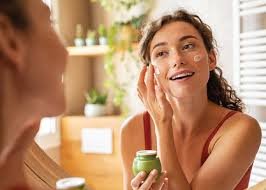
There was a time—not too long ago—when skincare felt almost… simpler. A face wash, maybe a cream, and that was it. Fast forward to today, and suddenly we’re layering serums like we’re assembling a complicated recipe. Vitamin C in the morning, retinol at night, acids twice a week. It’s a lot. Somewhere in this skincare overload, a quieter, almost rebellious idea has started to gain attention: doing less. Or, more specifically, doing nothing at all.
The Rise of “Doing Nothing” in Skincare
Skin fasting, as the name suggests, is about taking a break from your usual skincare routine. No serums, no actives, sometimes not even moisturizers—just letting your skin exist without constant intervention. It sounds counterintuitive, especially in an industry built on “more is better.”
But there’s a reason people are curious. Overuse of products, particularly actives like exfoliating acids or retinoids, can sometimes weaken the skin barrier. And when that happens, your skin doesn’t glow—it reacts. Redness, irritation, breakouts. Not exactly the results promised on the label.
Keep exploringDo Blue Light Skincare Products Really Work, or Are We Just Buying Peace of Mind?
So naturally, people began asking: what if we just… stopped for a bit?
Skin fasting trend kya hai aur kya yeh actually beneficial hai?
At its core, the concept is rooted in the idea that skin has its own natural ability to repair and regulate itself. Sebum production, cell turnover, hydration balance—these processes don’t necessarily need constant external interference.
Supporters of skin fasting argue that stepping back allows your skin to “reset.” Without a cocktail of ingredients influencing it daily, your skin may start functioning more efficiently on its own. Some even report fewer breakouts and improved texture after a short fasting period.
But—and this is important—it’s not a one-size-fits-all approach.
When It Works… and When It Doesn’t
For someone with relatively balanced, non-sensitive skin, a temporary break from products might feel refreshing. It’s like giving your face a breather. Think of it as unplugging for a weekend—no emails, no notifications. Just calm.
Keep exploringWhen Your Skin Becomes an Experiment: Between Kitchen Remedies and Clinic Visits
However, for people with specific skin concerns—acne, hyperpigmentation, eczema—completely stopping treatment can backfire. Active ingredients aren’t just trends; they’re often carefully chosen solutions to ongoing issues. Removing them abruptly might undo progress.
There’s also the matter of environmental exposure. Pollution, UV rays, humidity—these don’t pause just because you’ve decided to simplify your routine. Skipping sunscreen, for example, is rarely a good idea, fasting or not.
The Psychology Behind It
Interestingly, part of the appeal of skin fasting isn’t just physical—it’s mental. There’s a kind of relief in stepping away from the pressure of maintaining a “perfect” routine. No more worrying about whether you layered your products correctly or if you’re missing out on the latest ingredient.
It brings skincare back to something more intuitive. More personal.
And maybe that’s why it resonates. In a world obsessed with optimization, doing less feels oddly liberating.
Finding a Middle Ground
If going completely product-free feels extreme (and for many, it does), there’s a softer version of skin fasting that makes more sense—simplification.
Instead of eliminating everything, you strip your routine down to essentials. A gentle cleanser, a basic moisturizer, and sunscreen. No actives, no experimentation. Just consistency.
This approach still gives your skin a break from potential irritants without leaving it completely unsupported. It’s a kind of “controlled fasting,” if you will.
Listening to Your Skin (Not Trends)
One of the biggest mistakes people make is treating skincare trends as universal truths. What works beautifully for someone else might not work for you—and that’s okay.
Skin fasting isn’t magic. It’s a tool. And like any tool, its effectiveness depends on how and when you use it.
If your skin feels overwhelmed, irritated, or unpredictable, a short break or simplification might help. But if your current routine is working—your skin is stable, happy—there’s no real reason to disrupt it just for the sake of following a trend.
Final Thoughts
Skincare, at its best, isn’t about chasing perfection. It’s about understanding your skin, respecting its needs, and occasionally, knowing when to step back.
Skin fasting reminds us of something we often forget: our skin isn’t broken. It doesn’t always need fixing. Sometimes, it just needs space.
And maybe that’s the real takeaway—not that you should stop using products altogether, but that you don’t need as many as you think.