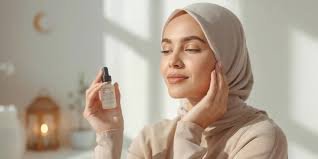
There’s a certain charm to DIY skincare. Maybe it starts with a late-night scroll, a homemade face mask recipe, or your grandmother casually insisting that turmeric fixes everything. You try it, cautiously at first. Then a little more confidently. Before you know it, your bathroom shelf starts looking like a mini lab—jars, oils, powders, all promising that elusive glow.
But somewhere along the way, most of us hit a wall. The glow plateaus, the breakouts return, or worse, something unexpected happens. That’s usually when the idea of seeing a dermatologist creeps in—not out of excitement, but out of curiosity… or maybe quiet desperation.
The Comfort of Control
DIY skincare feels personal. You’re in charge. You decide what goes on your face, how often, and why. There’s no prescription, no appointment, no waiting room. Just you and your mirror.
Keep exploringWhen Less Becomes More: Rethinking Skincare in the Age of Skin Fasting
And let’s be honest—there’s also the appeal of affordability. A homemade mask costs a fraction of a professional treatment. For students or anyone watching their budget, that matters.
But control can be tricky. Without proper knowledge, it’s easy to mix ingredients that don’t play well together or overuse something that seems harmless. Lemon juice, for example, sounds natural and safe—until it irritates your skin barrier. It’s not that DIY is bad; it’s that skin isn’t always predictable.
When Science Steps In
Dermatologist treatments feel like the opposite experience. Structured. Clinical. Sometimes a bit intimidating. You walk in with a concern and walk out with a routine that feels… official.
Keep exploringDo Blue Light Skincare Products Really Work, or Are We Just Buying Peace of Mind?
There’s a reason for that. Dermatologists aren’t guessing. They’re trained to understand skin at a deeper level—how it reacts, heals, and changes over time. Treatments like chemical peels, laser therapy, or prescription retinoids aren’t just trends; they’re backed by research and tailored to specific conditions.
Still, it’s not always a perfect solution. Professional treatments can be expensive, and results often take time. Plus, there’s a certain emotional comfort missing—the kind you feel when you’re caring for your skin in your own space.
The Long-Term Perspective
Here’s where things get interesting. If you zoom out and think long-term, the conversation shifts.
DIY skincare can be great for maintenance. Hydration masks, gentle exfoliation, soothing ingredients—they help keep your skin happy when things are stable. But when it comes to deeper issues like persistent acne, pigmentation, or early signs of aging, DIY methods often hit their limits.
That’s why discussions around DIY skincare vs dermatologist treatments: Long-term impact comparison have become more relevant lately. People are starting to realize that while home remedies can support your skin, they may not always correct underlying problems.
Skin Barrier: The Silent Player
One thing rarely talked about in casual skincare conversations is the skin barrier. It’s like the unsung hero—quietly protecting, regulating, and repairing.
DIY routines sometimes unknowingly damage this barrier. Over-exfoliation, mixing active ingredients without understanding their interactions, or using harsh natural substances can weaken it over time. The damage might not show immediately, but it builds.
Dermatologists, on the other hand, tend to focus heavily on barrier health. Even when prescribing strong treatments, they balance it with repair strategies. It’s less about quick fixes and more about sustainable skin health.
Emotional vs Clinical Satisfaction
There’s also an emotional layer to all of this. DIY skincare feels nurturing. It’s almost therapeutic—like journaling, but for your skin. You take time out, slow down, and do something just for yourself.
Clinical treatments don’t offer that same intimacy. They’re efficient, goal-oriented. You go in, get treated, and leave. The satisfaction comes later, when results start showing.
Neither is better—it’s just different. Some people need that ritual. Others just want results.
Finding a Middle Ground
Maybe the real answer isn’t choosing one over the other. It’s knowing when to lean into each.
Use DIY methods for gentle care, relaxation, and maintenance. Enjoy the process. Experiment, but carefully. Pay attention to how your skin reacts.
And when things go beyond your control—when breakouts persist, pigmentation deepens, or sensitivity increases—it might be time to bring in a professional. Not as a last resort, but as a smarter step forward.
The Skin You Live In
At the end of the day, skincare isn’t just about looking good. It’s about feeling comfortable in your own skin—literally and emotionally.
Sometimes that comfort comes from a homemade mask on a quiet Sunday evening. Other times, it comes from a dermatologist explaining what’s actually happening beneath the surface.
Both experiences have value. Both teach you something. And maybe, just maybe, the best skincare routine isn’t about choosing sides—it’s about understanding your skin well enough to know what it needs, when it needs it.