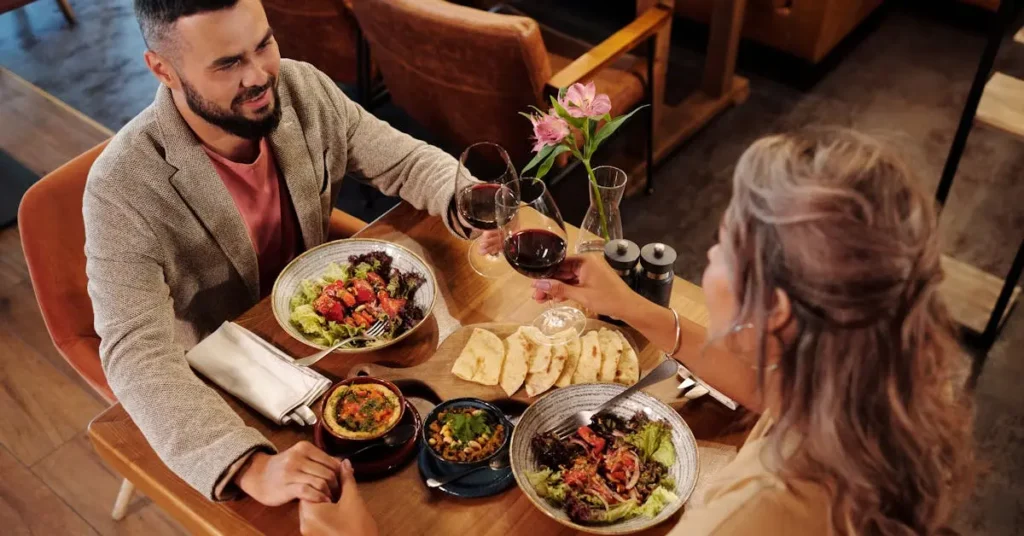
There was a time when opening a restaurant meant one thing—a physical space filled with tables, warm lighting, and the comforting hum of conversations. You didn’t just serve food; you served an experience. People came not only to eat but to sit, linger, celebrate.
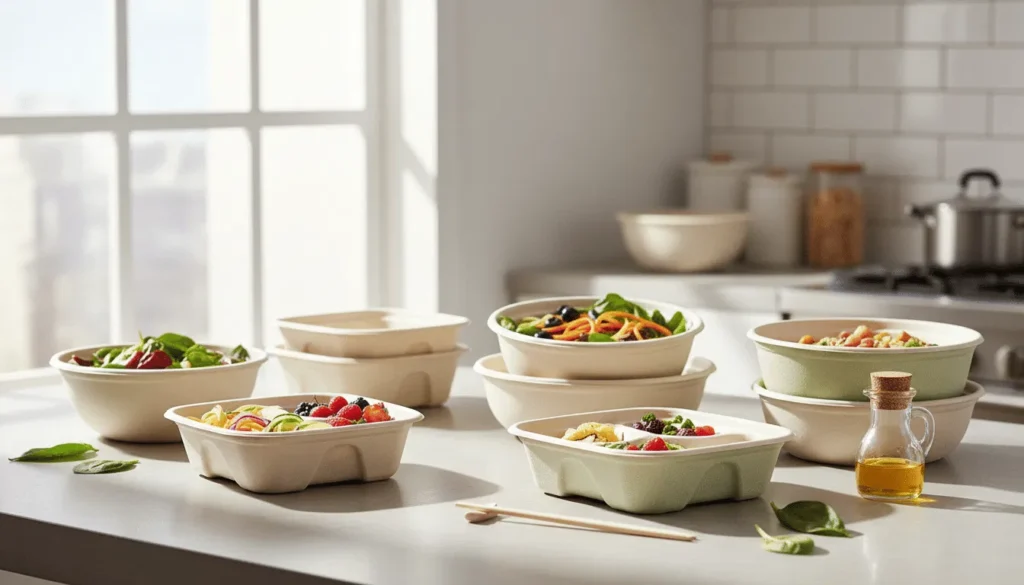
Now, somewhere between late-night delivery cravings and app-based convenience, a different model has taken center stage. One without tables, without waiters, sometimes without even a signboard. Just a kitchen, a team, and a steady stream of online orders.
And if you look closely, both worlds are thriving—but in very different ways.
The Old Soul of Dine-In Dining
Dine-in restaurants still hold a certain magic. There’s something irreplaceable about stepping into a space designed for comfort. The smell of fresh food, the clink of cutlery, the soft background music—it all adds up to something beyond the plate.
Keep exploringImmersive Food Activation Events for Brand Impacts
For many restaurant owners, this model is about more than profit. It’s about building a brand people can physically experience. A place that becomes part of someone’s routine, or maybe even their memories.
But behind that charm lies a complex business structure. Rent, interiors, staff, utilities—it’s a long list of expenses that don’t take a day off.
The Rise of Kitchens Without Chairs
Cloud kitchens, on the other hand, strip the concept down to its essentials. No dining area, no elaborate decor—just a focused operation built for delivery.
Keep exploringFrom Chai Breaks to Kombucha Sips: India’s Quiet Shift Toward Functional Beverages
It’s a model that fits perfectly into how people eat today. Quick, convenient, often impulsive. You scroll, you order, and within minutes, food arrives at your doorstep.
For entrepreneurs, this approach feels lighter. Lower upfront investment, fewer operational headaches, and the flexibility to experiment with multiple brands from a single kitchen.
Cloud kitchens vs dine-in restaurants: profit margins aur scalability comparison
This is where things start to get interesting. When you break down the numbers, cloud kitchens often show healthier margins—at least on the surface.
Keep exploringFrom Farm to Plate, But Closer: Why Restaurants Are Looking Right Next Door for Ingredients
Without the burden of high rents and large front-of-house staff, operational costs stay relatively controlled. That means a bigger chunk of each order can translate into profit. Plus, scaling becomes easier. You can replicate a cloud kitchen in multiple locations without worrying about customer-facing consistency in ambiance.
But—and it’s a significant but—delivery platforms take their cut. Aggregator commissions can eat into margins, sometimes quite aggressively. So while costs are lower, dependencies are higher.
Dine-in restaurants, meanwhile, deal with heavier expenses but also have more control over pricing and customer experience. Upselling is easier. Customers might order that extra dessert or drink simply because they’re there, enjoying the moment.
The Experience Factor
Here’s something numbers don’t fully capture—experience.
A dine-in restaurant isn’t just selling food; it’s selling time well spent. Birthdays, anniversaries, casual meetups—these moments don’t translate well into delivery boxes.
Cloud kitchens, by design, don’t compete in this space. They focus on efficiency, consistency, and speed. It’s a different kind of value.
And depending on the audience, both models can thrive.
Scalability: Faster Isn’t Always Easier
On paper, cloud kitchens look like the clear winner when it comes to scaling. Launch a brand, test it in one location, replicate if it works. Simple.
But scaling also means maintaining quality across multiple units, managing logistics, and standing out in a crowded digital marketplace. Visibility becomes a challenge when you’re just one of many options on an app.
Dine-in restaurants scale differently. It’s slower, more deliberate. Each new location requires careful planning—design, staffing, local preferences. But when done right, it builds a stronger, more recognizable brand.
Customer Loyalty Looks Different
In a dine-in setting, loyalty often comes from personal connection. A familiar face at the counter, a favorite table, a dish that tastes just right every time.
Cloud kitchens build loyalty through consistency and convenience. Fast delivery, reliable quality, good packaging. It’s less emotional, more functional—but still powerful in its own way.
So, Which One Wins?
It’s tempting to look for a clear winner, but that might be the wrong question.
The food industry isn’t shifting from one model to another—it’s expanding. Both formats are finding their place, serving different needs.
Some businesses are even blending the two. A dine-in restaurant running a cloud kitchen on the side, or a cloud kitchen eventually opening a physical space once the brand gains traction.
Final Thoughts
If you step back and look at the bigger picture, this isn’t just about food—it’s about how consumer behavior is evolving.
People want convenience, but they also crave experiences. They want speed on busy days and ambiance on special ones. And businesses are adapting accordingly.
Cloud kitchens and dine-in restaurants aren’t really competitors. They’re responses to different moments in a customer’s life.
And maybe that’s the real takeaway. Success doesn’t come from choosing the “better” model—it comes from understanding which one fits your vision, your audience, and the way people want to eat today.