A few years ago, most companies didn’t think twice about where their data lived. It floated somewhere in the cloud—often across borders, stored in massive global data centers. It was efficient, cost-effective, and honestly, a bit invisible.
Now, that invisibility is fading.
Governments around the world, including India, have started asking a more pointed question: where exactly is our data going, and who controls it? And in trying to answer that, data localization has quietly moved from policy jargon to a real, everyday concern for businesses.
What Data Localization Really Means
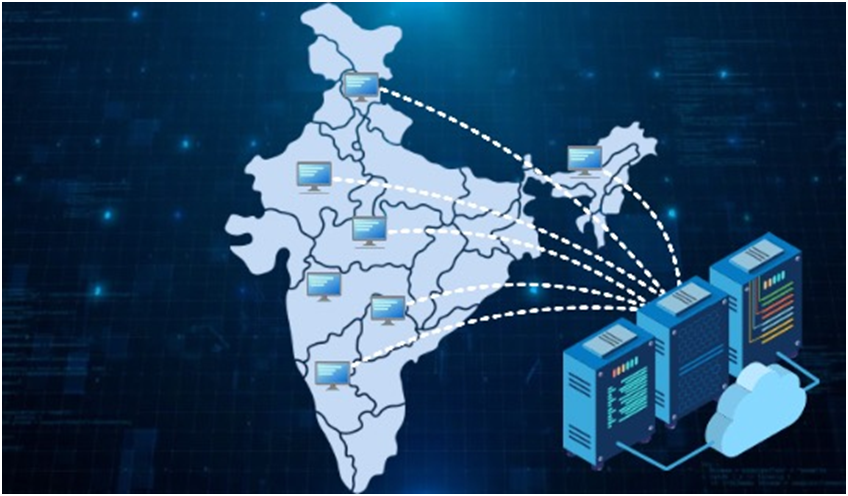
At its simplest, data localization requires certain types of data—often personal or sensitive—to be stored and processed within a country’s borders. In India, this idea has been discussed extensively through frameworks like the Digital Personal Data Protection Act and earlier drafts of data protection bills.
Keep exploringWhen Words Go Public: Understanding Online Defamation in India’s Digital Age
The logic behind it is straightforward. Keeping data within national boundaries can improve security, make enforcement easier, and ensure that local laws apply directly.
But while the intention is clear, the implementation? That’s where things get complicated.
Data localization laws India me businesses ko kaise affect kar rahe hain?
This question has become increasingly relevant, especially for companies operating in digital-first environments.
Keep exploringNot Just Paperwork: The Clauses Every Freelancer Learns to Value (Sometimes the Hard Way)
For large enterprises with established infrastructure, adapting to localization requirements often means investing in local data centers or partnering with providers who already have a presence in India. It’s a shift, yes—but a manageable one.
For startups and smaller businesses, the story can feel different. Costs rise. Decisions around cloud providers become more complex. There’s less flexibility in choosing where and how data is stored.
And yet, it’s not just about cost—it’s about strategy.
The Cost of Staying Compliant
Compliance isn’t a one-time checkbox. It’s an ongoing process.
Businesses need to audit what data they collect, understand where it flows, and ensure it aligns with local regulations. This can involve restructuring systems, updating contracts with third-party vendors, and sometimes even redesigning entire data architectures.
For companies that operate globally, this adds another layer of complexity. Data that moves seamlessly across regions now needs to be segmented, tracked, and sometimes duplicated.
It’s doable—but it requires planning.
Trust as a Competitive Advantage
Here’s an interesting shift—while data localization introduces challenges, it also creates opportunities.
Consumers are becoming more aware of how their data is handled. When businesses can confidently say that user data is stored and protected within India, it can build trust. And in a digital economy, trust isn’t just a nice-to-have—it’s a differentiator.
For certain sectors, like fintech or healthcare, this becomes even more critical. Users want assurance that their information isn’t just secure, but also governed by familiar legal frameworks.
The Role of Local Infrastructure
India’s push for data localization has also accelerated the growth of local data infrastructure. Global cloud providers are expanding their presence, while domestic players are stepping up to meet demand.
This creates a more competitive ecosystem, which, over time, could bring costs down and improve service quality.
But in the short term, businesses may still feel the pressure of transitioning to these localized setups.
Innovation vs Regulation: Finding Balance
There’s always a tension between regulation and innovation. Too much regulation can slow things down; too little can create risks.
Data localization sits right in the middle of this balancing act.
On one hand, it encourages responsible data practices and strengthens national digital sovereignty. On the other, it can limit how freely companies experiment with global tools and platforms.
The key lies in how policies evolve—whether they remain rigid or adapt to the realities of a fast-moving tech landscape.
What Businesses Can Do Right Now
For companies navigating this space, the first step is awareness. Understanding what data you collect, where it’s stored, and how it’s used is essential.
From there, it’s about building flexibility into your systems. Choosing cloud providers with local capabilities, designing modular data architectures, and staying updated with regulatory changes.
It’s not about reacting at the last minute—it’s about staying prepared.
Final Thoughts
Data localization in India isn’t just a regulatory shift; it’s part of a broader rethinking of how digital ecosystems should function.
For businesses, it brings both friction and clarity. Yes, there are costs and complexities. But there’s also an opportunity to build stronger, more transparent relationships with users.
And maybe that’s the bigger picture here. Not just where data is stored—but how responsibly it’s handled.
Because in the end, data isn’t just information. It’s trust.