A good home has a certain feeling to it. Not perfect, necessarily. Homes are lived in, bumped into, weathered, repaired, and changed over time. But when the details are right, you can sense it. The trim sits neatly. The porch feels solid underfoot. The outside edges look clean. Nothing seems loose, rushed, or forgotten.
That kind of finish does not happen by accident. It comes from practical skill, careful repair work, and knowing where small issues can turn into larger problems. Home improvement is not always about big remodels or glossy magazine makeovers. Sometimes it is about fixing what matters, strengthening what protects the property, and improving the everyday parts of the house that quietly do their job.
Why Craftsmanship Still Matters
There is a big difference between a quick patch and proper professional carpentry. One hides a problem for a short while. The other solves it with care, accuracy, and an understanding of how the materials should work together.
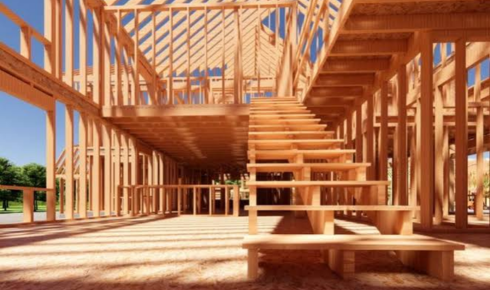
Good carpentry can involve door frames, exterior trim, fascia boards, decks, stairs, railings, shelving, siding details, and many other parts of a home. It is practical work, but it also has an eye for finish. A board should not just be attached; it should fit cleanly, line up well, and feel like it belongs there.
Keep exploringWhy the Right Water Solution Makes a Bigger Difference Than Most Homeowners Expect
This matters because poor workmanship often shows up later. Gaps open. Water gets in. Joints separate. Paint fails too soon. A skilled carpenter thinks beyond how something looks on day one and considers how it will hold up through weather, use, and time.
Exterior Improvements That Do More Than Look Good
People often think of exterior upgrades as cosmetic changes, and sometimes they are. Fresh trim, a repaired porch, new fascia, updated railings, or improved siding details can absolutely improve kerb appeal. A home looks sharper when the outside features are neat and well maintained.
But these upgrades also play a practical role. Exterior materials protect the home from rain, wind, sun, pests, and seasonal movement. Damaged wood, loose trim, or rotting boards can expose hidden areas to moisture. A worn porch or weak step can become a safety issue. A neglected roofline can make even a well-kept property look tired.
Good exterior work brings together appearance and function. It refreshes the look of the home while helping it stand up better to daily exposure.
Keep exploringWhy Smarter Door Hardware Is Becoming a Must-Have for Modern Homes
Protecting the Bones of the Home
Behind every attractive finish, there should be reliable structural protection. This is the part homeowners do not always see, but it is one of the most important reasons to stay ahead of repairs.
Water is often the biggest enemy. It can enter through cracked trim, failing seals, damaged fascia, loose siding, or small gaps around doors and windows. Once moisture gets behind the surface, it can cause rot, swelling, mould, staining, and deeper deterioration. The frustrating thing is that these problems can stay hidden for a while.
Strong exterior carpentry helps block those weak points. Replacing damaged boards, sealing joints properly, reinforcing worn sections, and making sure water flows away from the home all help protect the structure underneath. It is not glamorous, but it saves money and stress later.
Small Repairs Can Change the Whole Feel
Sometimes the smallest repair makes a home feel cared for again. A loose railing tightened properly. A cracked trim piece replaced. A sagging gate corrected. A damaged step rebuilt. These are not always dramatic changes, but they improve safety and comfort right away.
Keep exploringWhy a Well-Planned Gutter System Matters More Than Most Homeowners Realize
There is also an emotional side to it. Little defects around a home can become background irritation. You see the same broken corner every time you pull into the driveway. You avoid stepping on that one soft board. You notice the peeling trim but keep putting it off. Once the work is done, the space feels lighter somehow.
That is the quiet reward of good home maintenance.
Knowing When to Repair and When to Replace
A reliable professional should help you understand what actually needs doing. Not every damaged piece requires a full replacement project. Sometimes a careful repair is enough. Other times, replacement is smarter because the material is too far gone or the same issue will keep returning.
Good judgement matters here. The goal is not to make the job bigger than necessary. It is to make the solution last. That means checking the surrounding area, identifying the cause of the damage, and using materials suited to the home’s conditions.
Keep exploringSeason-Ready Asphalt: A Guide to Safer Driveways and Parking Lots in La Porte, Indiana
Final Thoughts
A well-maintained home is built on details. Strong edges, solid woodwork, neat finishes, safe steps, secure trim, and proper protection against weather all add up. You may not notice each part individually, but together they make the property feel stronger, cleaner, and more complete.
Investing in skilled repairs and thoughtful upgrades is not just about appearance. It is about preserving the value, safety, and comfort of the place you live in. And honestly, there is something deeply satisfying about knowing your home is not just looking good, but holding up well too.