Why Investing in a Reliable Well Water System Can Transform Everyday Life
Related Articles

Water Is Something We Depend On More Than We Realize

It’s funny how little attention most of us pay to water when everything is working as it should. We turn on a faucet, fill a glass, start a load of laundry, and carry on with our day. Water quietly supports almost every routine in the background.

But when there’s a problem, even a small one, it suddenly becomes impossible to ignore.

A strange taste in the kitchen sink. An unusual smell during a shower. Stains that keep appearing around fixtures. These issues have a way of creeping into daily life and making simple tasks feel more complicated than they should.

For homeowners who rely on private wells, understanding the condition of their water system isn’t just important—it’s essential.

The Unique Benefits of Having a Private Well

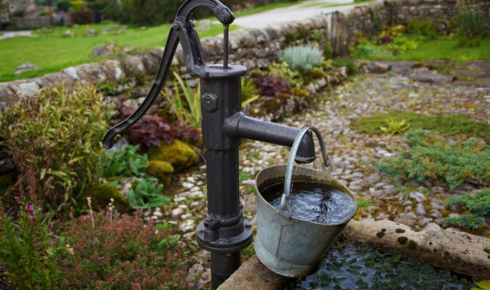
There’s a certain independence that comes with owning a private well. You’re not entirely dependent on a municipal supply, and in many areas, well water provides a consistent source of water year-round.

Many homeowners appreciate the sense of control that comes with managing their own water source. They know where their water comes from, and they can make decisions about treatment and maintenance based on their household’s specific needs.

Still, ownership comes with responsibility. Unlike city water users, well owners are responsible for monitoring and maintaining water quality themselves.

That’s where awareness becomes valuable.

Understanding How Well Systems Work

At their core, well water systems are designed to draw groundwater from underground aquifers and deliver it safely into a home. While the concept sounds simple, several components work together behind the scenes.

The well itself, pressure tank, pump, plumbing connections, and treatment equipment all play important roles. When these components function properly, homeowners rarely think about them.

But like any mechanical system, maintenance matters.

Ignoring routine inspections or delaying repairs can eventually lead to performance issues, water quality concerns, or unnecessary expenses.

A little preventative care often saves a lot of trouble down the road.

Why Water Quality Changes Over Time

One misconception many people have is that well water remains exactly the same forever.

In reality, groundwater conditions can change due to seasonal weather patterns, shifting water tables, environmental influences, and even natural geological activity.

Heavy rainfall can affect groundwater movement. Extended dry periods may alter mineral concentrations. Nearby construction projects can occasionally influence local water conditions as well.

These changes aren’t always dramatic, but they can affect the taste, smell, appearance, and overall quality of household water.

That’s why periodic testing is so important.

The Value of Regular Water Testing

Water testing often feels like one of those tasks people plan to do “eventually.” Unfortunately, eventually can turn into years.

Regular testing provides valuable insight into what’s happening beneath the surface. It helps identify potential issues before they become major problems and offers homeowners peace of mind about the water they use every day.

The reality is that many water concerns don’t produce obvious warning signs right away.

Testing removes guesswork and replaces assumptions with facts.

And when it comes to something as important as household water, facts are always helpful.

Why Clean Water Impacts More Than Drinking

When people think about clean water, they usually picture a glass sitting on a kitchen counter.

But water quality affects far more than hydration.

It influences cooking, bathing, laundry, dishwashing, appliance performance, and even the lifespan of plumbing systems. Poor water quality can create ongoing frustrations that extend into nearly every corner of a home.

On the other hand, high-quality water often goes unnoticed because everything simply works better.

Laundry feels fresher. Dishes look cleaner. Appliances operate more efficiently. Everyday routines become easier.

Sometimes the best water is the water you never have to think about.

Common Challenges Well Owners Face

Private wells can encounter a variety of water-related challenges over time.

Some homeowners deal with excess minerals that cause hard water. Others notice staining, unpleasant odors, sediment, or fluctuating water pressure. In some cases, bacterial contamination may require attention.

The key thing to remember is that these issues are often manageable when identified early.

Water problems can feel overwhelming at first, especially when homeowners aren’t sure what’s causing them. Fortunately, modern treatment technologies have made it easier than ever to address specific concerns.

The first step is understanding the problem.

The second step is choosing the right solution.

Why Equipment Selection Matters

Not every water treatment system is designed to solve the same issue.

A filter that works well for sediment may do very little for hardness. Equipment designed for bacterial treatment won’t necessarily address mineral-related concerns.

That’s why water testing and system design go hand in hand.

The most effective solutions are usually tailored to the unique characteristics of a home’s water supply. Rather than purchasing equipment based on assumptions, homeowners benefit from selecting systems based on actual data.

This approach tends to produce better results and fewer surprises.

The Importance of Professional Installation

Even the best equipment can struggle if it’s installed incorrectly.

That’s one reason professional installation remains such an important part of the process. Proper sizing, placement, plumbing integration, and system configuration all influence long-term performance.

Experienced installers understand how various components work together and can identify potential issues before they become costly problems.

While some homeowners enjoy tackling projects themselves, water treatment systems often represent an area where expertise provides real value.

A properly installed system is generally more reliable, efficient, and easier to maintain over time.

Looking at the Bigger Picture

Water quality isn’t just about solving immediate problems.

It’s about protecting household infrastructure, improving comfort, and creating confidence in a resource that’s used every single day. Small improvements in water quality often have a ripple effect throughout the home.

Better appliance performance. Reduced maintenance. Improved cleaning results. Greater peace of mind.

These benefits may seem subtle individually, but together they can significantly improve daily life.

Final Thoughts

Owning a private well comes with both freedom and responsibility. While well systems require ongoing attention, they also provide homeowners with the opportunity to take direct control of their water quality.

By investing in regular testing, proper maintenance, and the right treatment solutions, homeowners can enjoy dependable water for years to come.

At the end of the day, water should support your life—not complicate it. When a well water system is properly maintained and thoughtfully managed, it becomes one of those quiet household assets that simply works in the background, making everyday life a little easier and a lot more comfortable.

More on this topic

Popular stories