When people think about protecting a home, the roof usually gets all the attention. That makes sense—it’s the first line of defense against rain, wind, and harsh weather. Yet there’s another part of the home working quietly in the background, carrying out a job that’s just as important. Gutters may not be exciting, but they play a huge role in keeping a property safe, dry, and structurally sound.
It’s funny how often homeowners overlook their gutter systems until a problem appears. A small overflow during a rainstorm can quickly turn into water stains, landscape damage, or even foundation issues. The truth is that a properly functioning gutter system does much more than move rainwater away from the roof. It helps preserve the entire home.
Understanding the Job Gutters Actually Do
At first glance, gutters seem pretty simple. Rain falls on the roof, gutters collect it, and water is directed away from the house. Easy enough.
Keep exploringSeason-Ready Asphalt: A Guide to Safer Driveways and Parking Lots in La Porte, Indiana
But there’s more going on than most people realize. During a heavy storm, thousands of gallons of water can flow off a roof. Without an efficient drainage system, that water has to go somewhere. Unfortunately, it often ends up pooling around the home’s base, damaging siding, eroding soil, and creating moisture-related issues.
A well-designed gutter system manages roof runoff effectively, directing water away before it can cause expensive problems. This simple process can save homeowners from major repair bills later on.
The Hidden Cost of Water Around Your Home
Water is incredibly persistent. Give it enough time, and it will find weaknesses in almost any structure.
One of the biggest concerns is foundation protection. When rainwater repeatedly collects near a home’s foundation, it can gradually weaken the soil surrounding the structure. Over time, this may lead to cracks, settling, and even basement leaks.
I’ve spoken with homeowners who spent years ignoring minor drainage issues, only to face significant repair costs later. The frustrating part is that many of those problems could have been prevented with proper gutter maintenance and drainage planning.
Keep exploringWhen Home Maintenance Becomes a Smart Investment
Good gutters act like an insurance policy. You don’t always notice them working, but you’ll definitely notice when they stop.
Why Gutter Maintenance Is Often Ignored
Let’s be honest—cleaning gutters isn’t exactly a favorite weekend activity.
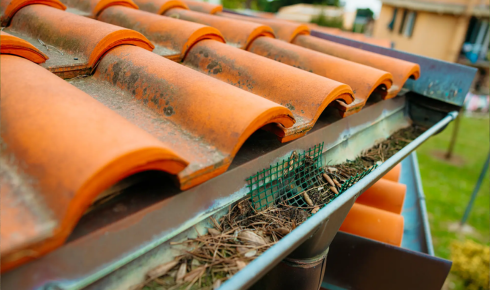
Leaves, twigs, seeds, dirt, and other debris slowly accumulate throughout the year. At first, it doesn’t seem like a big deal. A few leaves here and there hardly appear dangerous.
Keep exploringBuilding Better Water Solutions: How Smart Choices Improve Everyday Water Experiences
The problem is that debris creates blockages. Once water can no longer flow freely, gutters overflow. Water spills over the edges, saturates landscaping, and sometimes seeps into places it shouldn’t.
Regular cleaning helps with clog prevention, reducing the likelihood of overflows and extending the life of the gutter system itself. Even a simple inspection a few times a year can make a meaningful difference.
Seasonal Changes Can Create New Challenges
Every season brings its own set of gutter concerns.
Spring often introduces pollen, blossoms, and seed pods. Summer storms can dump large volumes of rain in a short amount of time. Fall fills gutters with leaves, while winter may create ice buildup in colder climates.
Keep exploringWhy the Right Water Solution Makes a Bigger Difference Than Most Homeowners Expect
Because conditions change throughout the year, a one-time cleaning isn’t always enough. Homes surrounded by mature trees may require more frequent inspections than homes in open areas.
Many homeowners find that scheduling seasonal maintenance helps them stay ahead of potential problems before they become emergencies.
Signs Your Gutters Need Attention
Sometimes gutter issues are obvious. Other times, the warning signs are subtle.
Keep exploringWhy Smarter Door Hardware Is Becoming a Must-Have for Modern Homes
Here are a few things worth watching for:
- Water spilling over gutter edges during rain
- Sagging or detached gutter sections
- Pools of water near the foundation
- Soil erosion beneath downspouts
- Peeling exterior paint
- Mold or mildew growth near siding
- Basement moisture after storms
These indicators often suggest that water isn’t being directed properly. Addressing them early is usually far less expensive than waiting until structural damage develops.
The Role of Downspout Placement
Interestingly, many drainage problems aren’t caused by the gutters themselves. Instead, they’re linked to where the water ends up after leaving the gutter.
Downspouts should direct water well away from the home’s foundation. If water discharges too close to the house, it can still create drainage issues even when the gutters are functioning perfectly.
Extensions, splash blocks, and underground drainage systems can all help move water to safer locations. The best solution depends on the property’s grading, landscaping, and overall layout.
Modern Gutter Solutions Offer Better Performance
Gutter technology has improved considerably over the years.
Today’s homeowners can choose from seamless systems, larger-capacity gutters, specialized guards, and durable materials designed to withstand harsh weather conditions. These options often reduce maintenance requirements while improving overall performance.
Gutter guards, for example, help keep larger debris out while allowing water to flow through. They’re not entirely maintenance-free, despite what some advertisements suggest, but they can significantly reduce cleaning frequency.
The right solution depends on local weather conditions, nearby vegetation, and the size of the roof being protected.
Looking Beyond Immediate Repairs
One mistake homeowners sometimes make is focusing only on visible damage. A leaking corner or loose bracket might be the symptom, not the root cause.
A comprehensive inspection often reveals larger drainage patterns affecting the property. Water management should be viewed as a complete system involving the roof, gutters, downspouts, grading, and drainage pathways.
When all those elements work together, the home remains better protected during both routine rainfall and severe weather events.
Small Investments Can Prevent Big Problems
Homeownership often comes down to prevention. A little maintenance today can save thousands tomorrow.
Gutters may not be the most glamorous feature of a property, but they’re among the most practical. They quietly direct water away from vulnerable areas, preserve landscaping, help protect structural components, and contribute to the long-term health of the home.
The next time rain falls, take a moment to watch how water moves around your property. You might be surprised by how much responsibility your gutter system carries every single day.
In the end, protecting a home isn’t always about major renovations or expensive upgrades. Sometimes it’s about paying attention to the simple systems already in place—and making sure they continue doing their job well for years to come.