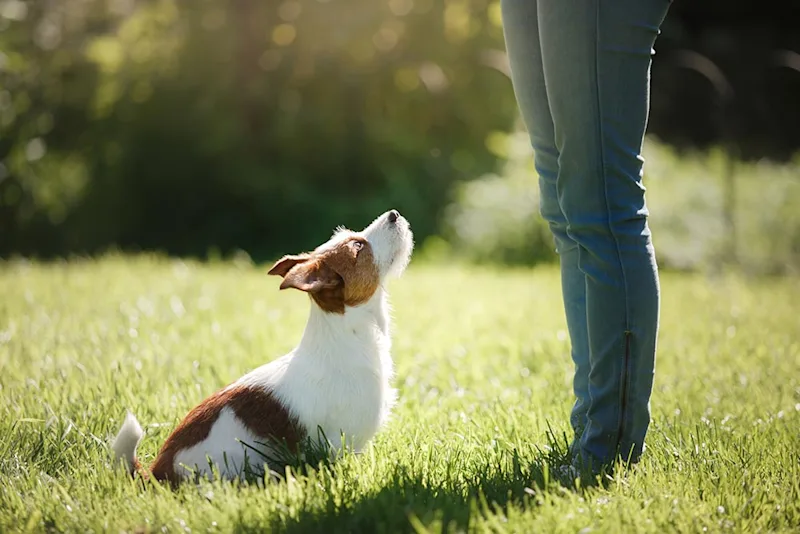
A well-behaved dog is easier to live with, safer in public, and more enjoyable to spend time with. Effective dog training is not simply about teaching commands such as sit or stay. It is about helping dogs understand expectations and teaching owners how to communicate clearly and consistently.
Whether you have a new puppy, an energetic adult dog, or a companion struggling with specific behaviors, the right approach can make everyday life more manageable. The key is to focus on practical skills that hold up beyond the training session. With guidance from Rob’s Dog Training, owners can develop practical techniques that support clearer communication and more consistent behavior in everyday situations.
Why Dog Training Should Go Beyond Basic Commands
Teaching a dog to sit in a quiet room is one thing. Getting that same dog to sit while another dog walks past, children are playing nearby, or someone rings the doorbell requires a different level of reliability.
Real-world obedience depends on consistency, distractions, timing, and clear communication. Dogs need opportunities to practice appropriate behavior in environments that resemble the situations they encounter every day.
This is why useful training should address more than individual commands. Leash manners, recall, impulse control, calm greetings, and the ability to ignore distractions can all contribute to a more dependable companion.
Start Dog Training With Clear Expectations
Dogs learn through patterns. If one behavior is acceptable today but discouraged tomorrow, it becomes difficult for a dog to understand what is expected.
Before beginning a training routine, decide which behaviors matter most in your household. For example, you may want your dog to:
- Wait calmly before going through doors
- Walk without constantly pulling on the leash
- Come when called
- Remain in place when asked
- Ignore distractions during walks
- Greet visitors without jumping
- Settle down when excitement increases
Clear goals make training easier to measure. They also help prevent owners from trying to correct every unwanted behavior simultaneously.
Consistency Matters More Than Long Sessions
One common mistake is assuming that training requires lengthy sessions every day. In reality, short and consistent practice can be easier for both dogs and owners.
Choose a few behaviors and practice them regularly. Reinforce the correct response when your dog performs it, then gradually introduce distractions and more challenging environments.
Consistency should also extend to the entire household. If one person allows a dog to jump on the couch while another person repeatedly corrects it, the dog receives conflicting information.
Everyone should understand the basic rules, cues, rewards, and boundaries being used.
Practice Obedience Around Real-World Distractions
A dog that listens perfectly inside the home may behave differently at a park or shopping center. New smells, people, vehicles, animals, sounds, and movement can compete heavily for attention.
This is why environmental practice is an important part of effective obedience training.
Start with manageable distractions and increase difficulty gradually. For example:
- Practice a command in a quiet room.
- Move to a backyard or similarly familiar area.
- Practice outdoors with mild distractions.
- Introduce busier public environments.
- Increase the distance and duration of the behavior.
- Reward reliable responses even when distractions are present.
The objective is not simply to make a dog obedient in one controlled setting. The goal is to develop behavior that remains dependable when everyday distractions appear.
Dog Training Should Consider the Individual Dog
Every dog has a different temperament, history, energy level, motivation, and learning pattern. A strategy that works well for one dog may not produce the same results with another.
Age and breed can provide useful context, but they should not be the only factors considered. Two dogs from the same breed can have very different personalities and behavioral challenges.
A customized approach can help identify what is contributing to a problem and determine which training methods are appropriate for that particular dog.
Professional behavioral assessments can be especially useful when owners are unsure why a dog is struggling. Instead of guessing at the cause, a trainer can observe the behavior and develop a plan around the dog’s needs and the owner’s goals. Rob’s Dogs, for example, begins its training process with behavioral assessment and customized recommendations.
Address Behavior Problems at the Source
Barking, jumping, pulling, ignoring commands, and poor recall can be frustrating, but simply correcting the visible behavior may not solve the underlying issue.
Consider a dog that constantly pulls toward other dogs. The immediate problem is the leash behavior, but the reason behind it could involve excitement, poor impulse control, lack of experience, or insufficient training around distractions.
Understanding the circumstances surrounding a behavior makes it easier to determine what the dog needs to learn.
Keep track of when the behavior occurs, what happens immediately beforehand, and what the dog does afterward. These details can reveal patterns that are difficult to notice when dealing with the behavior in the moment.
Use Positive Reinforcement Thoughtfully
Rewarding desirable behavior gives dogs a reason to repeat it. Depending on the dog, reinforcement can include food, praise, play, affection, access to something desirable, or another meaningful reward.
Timing is important. The reward should follow the desired behavior closely enough that the dog can connect the two.
However, training should also establish boundaries and clear consequences for inappropriate behavior. The precise approach should be selected according to the dog’s temperament, behavior, and circumstances rather than applying a single technique to every situation.
A professional trainer can help owners understand how different methods fit into a broader training plan.
Private Lessons vs. Board and Train
Not every owner needs the same type of professional support. Private lessons and board-and-train programs can serve different needs.
Private lessons are useful for owners who want to participate directly in the process. They provide an opportunity to practice techniques with the dog while receiving guidance from a trainer. Rob’s Dogs describes its private lessons as one-on-one training customized around the dog’s behavior and the owner’s goals.
Board-and-train programs offer a more immersive structure. The dog stays with professional trainers and receives regular training throughout the program. However, owner participation does not end when the dog comes home. Maintaining progress requires owners to understand how to reinforce the learned behaviors in daily life.
The best choice depends on the dog’s needs, the owner’s schedule, and how involved the owner wants to be.
Owners Are Part of the Training Process
One of the most important insights in dog training is that owners are not simply spectators.
Dogs may learn new skills during professional sessions, but owners determine what happens at home, on walks, around visitors, and during everyday routines.
That means owners should learn:
- How to give clear cues
- When and how to reward desirable behavior
- How to respond consistently to unwanted behavior
- How to gradually increase distractions
- How to reinforce training after professional sessions end
A dog can learn a behavior quickly, but reliable habits require continued practice.
Don’t Wait Until Problems Become Serious
Many owners seek professional help only after a behavior has become difficult to manage. Early intervention can make it easier to establish good habits before unwanted patterns become deeply ingrained.
Puppies benefit from appropriate socialization, household routines, leash skills, and foundational obedience. Adult dogs can also learn new behaviors and improve existing habits.
It is also worth remembering that training is not limited to dogs that are considered difficult. Even a generally well-behaved dog can benefit from stronger recall, better leash manners, improved focus, and reliable obedience around distractions.
Building a Better Relationship Through Training
The strongest training outcomes are not measured only by how many commands a dog can perform. They are reflected in everyday interactions.
A dog that responds reliably can have greater freedom during appropriate activities. Owners can enjoy walks with less frustration, welcome guests more comfortably, and communicate expectations with greater confidence.
Training can also create more opportunities for dogs and their owners to participate in activities together. The objective is not to create a robotic companion. It is to establish communication, boundaries, and dependable behavior that support a healthier relationship.
Final Thoughts on Dog Training
Successful dog training is built around clarity, consistency, practical repetition, and an understanding of the individual dog. Basic commands provide an important foundation, but real progress comes when those skills become reliable in everyday situations.
Owners should identify specific goals, practice consistently, introduce distractions gradually, and seek professional guidance when behavioral challenges are difficult to address alone.
For owners looking for individualized support, Rob’s Dogs provides both private lessons and board-and-train programs designed around different training needs. Its approach emphasizes professional guidance while helping owners maintain progress after training is completed.
To learn more about available programs, behavioral assessments, and training options, visit Rob’s Dogs.
