Hot water is one of those household comforts people rarely celebrate. It’s just supposed to be there. You turn the tap, step into the shower, run the dishwasher, wash a few towels, and expect everything to work without a second thought. But the moment the water turns cold too soon, suddenly the whole house feels a little less convenient.
For years, the standard tank water heater has done the job in most homes. A big cylinder stores heated water, waits for someone to use it, then heats more when the supply runs low. Simple enough. But modern households are busier now. More showers, more laundry, more appliances, more people working odd hours from home. The old “one tank fits all” approach doesn’t always feel practical anymore.
That’s why many homeowners are taking a closer look at tankless water heaters. These systems heat water as it is needed instead of storing a large amount in a tank. It sounds like a small difference, but in daily life, it can change the way a home handles comfort, space, and efficiency.
A Different Kind of Water Heating
Traditional water heaters keep a tank full of heated water ready all day and night. Even when nobody is using water, the system may still work to maintain the temperature. Tankless systems operate differently. When someone opens a hot water tap, cold water travels through the unit and is heated on demand.
Keep exploringBuilding Better Water Solutions: How Smart Choices Improve Everyday Water Experiences
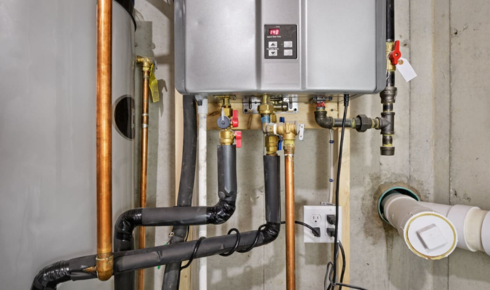
This means there is no large storage tank waiting in the garage, basement, utility room, or closet. For homeowners with limited space, that alone can be appealing. A wall-mounted unit can free up room and make the area feel less crowded. It is not glamorous, exactly, but anyone who has fought for storage space in a small home understands the value of a few extra square feet.
Still, tankless is not just about saving space. It is about changing how hot water is delivered.
The Appeal of Not Running Out
One of the biggest frustrations with a traditional tank is running out of warm water. Maybe two people showered before you. Maybe the washing machine was running. Maybe guests are staying over, and suddenly the system can’t keep up. Nobody enjoys being the person who gets the cold shower at the end.
Keep exploringWhy the Right Water Solution Makes a Bigger Difference Than Most Homeowners Expect
With a properly sized tankless system, homeowners can enjoy endless hot water because the unit heats water continuously as it flows. This does not mean every home can run every shower, sink, and appliance at the same time without limits. Flow rate still matters. But when the system is selected correctly, it can offer much better comfort for daily routines.
That steady supply can be especially useful for larger families, homes with teenagers, or households where people shower at different times of day. It also makes hosting guests less stressful. No one has to wait an hour for the tank to recover.
Efficiency Without the Drama
People often talk about efficiency as if it is only about saving money, but it is also about reducing waste. A traditional tank has to keep water warm even when the home is quiet. Tankless units avoid much of that standby heating because they only run when hot water is needed.
That is where energy savings can become part of the appeal. The exact amount depends on household usage, fuel type, system size, installation quality, and local utility costs. But for many homeowners, the idea of heating water only when it is actually used feels more sensible than paying to maintain a full tank all day.
Of course, it is worth being realistic. A tankless system may cost more upfront than a standard tank model. Installation can also be more involved, especially if gas lines, venting, electrical capacity, or water lines need upgrades. The long-term benefit is strongest when the system is properly matched to the home.
Keep exploringChoosing the Right Water System for a More Comfortable Home
Installation Is Not a Place to Cut Corners
A tankless water heater is not something to choose casually from a shelf and hope for the best. Sizing matters a lot. A system that is too small may struggle when multiple fixtures are used at once. A system that is too large may cost more than necessary. The best choice depends on household size, climate, water temperature, number of bathrooms, and peak usage habits.
Professional installation is also important. Gas models need proper venting and fuel supply. Electric models may require enough electrical capacity. Water pressure, pipe layout, and safety requirements all need attention. A poor installation can lead to weak performance, error codes, leaks, or early wear.
This is where a good contractor earns their money. Not by pushing the most expensive unit, but by asking the right questions. How many people live in the home? How many showers may run at once? Is there a large soaking tub? Do appliances use hot water often? These details help determine what kind of system will actually work.
Keep exploringWhy Smarter Door Hardware Is Becoming a Must-Have for Modern Homes
Maintenance Still Matters
Tankless systems are often described as low-maintenance, but that does not mean no maintenance. Mineral buildup can affect performance, especially in areas with hard water. Flushing the system as recommended helps keep internal parts working properly. Filters may need cleaning. Venting and connections should be checked periodically.
Some homeowners install a water softener or filtration setup alongside the unit, depending on local water quality. This can help reduce scale and support better performance over time. Like most home systems, a little care along the way is easier than dealing with a surprise breakdown later.
When Tankless Makes the Most Sense
Tankless water heating can be a great fit for homeowners who want better space use, strong performance, and a modern approach to comfort. It may be especially appealing during a renovation, home addition, or replacement of an aging water heater.
Keep exploringHow Better Water Filtration Can Keep Commercial Businesses Running Smoothly
That said, it is not automatically perfect for every home. Budget, existing plumbing, fuel availability, and water usage patterns should all be considered. A small household with simple needs may be fine with a traditional system. A busy household that constantly runs out of hot water may benefit much more from making the switch.
A Quiet Upgrade That Changes Daily Life
The best home improvements are not always the ones people notice first. Sometimes they are the ones that remove small frustrations from everyday routines. A reliable tankless water heater can make showers easier, laundry days smoother, and busy mornings less annoying.
It is practical, not flashy. But practical comfort matters. When hot water shows up when needed, without waiting for a tank to refill, the home simply works better.
In the end, choosing tankless is about more than technology. It is about how people actually live — rushing through mornings, cleaning up after dinner, hosting family, washing muddy clothes, and wanting the house to keep up. A well-chosen system can do that quietly in the background, which is exactly where good home comfort belongs.