There’s something almost poetic about the idea—a digital version of a real-world object, constantly evolving, learning, and reflecting reality in real time. Not a simulation frozen in a moment, but a living, breathing replica that changes as its physical counterpart does.
That’s essentially what digital twins are. And while the concept might sound futuristic, it’s already weaving itself into industries in ways that feel both subtle and profound.
More Than Just a Fancy Simulation
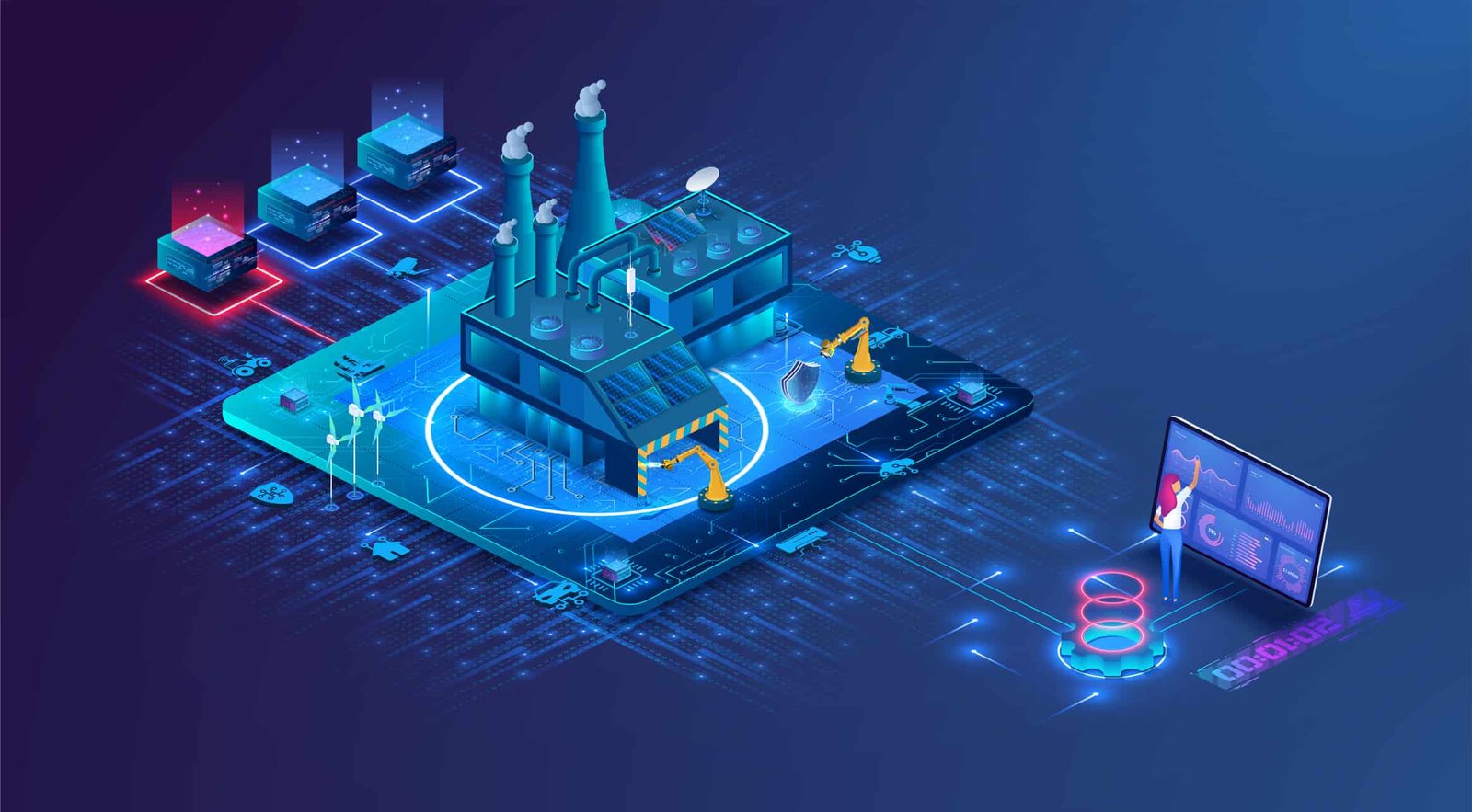
At first glance, digital twins might seem like advanced 3D models or complex simulations. But they’re more than that. They’re dynamic systems powered by real-time data—sensors, IoT devices, analytics—feeding continuous updates into a digital environment.
Keep exploringWhere Intelligence Lives: Why the Edge vs Cloud Debate Is Getting More Personal
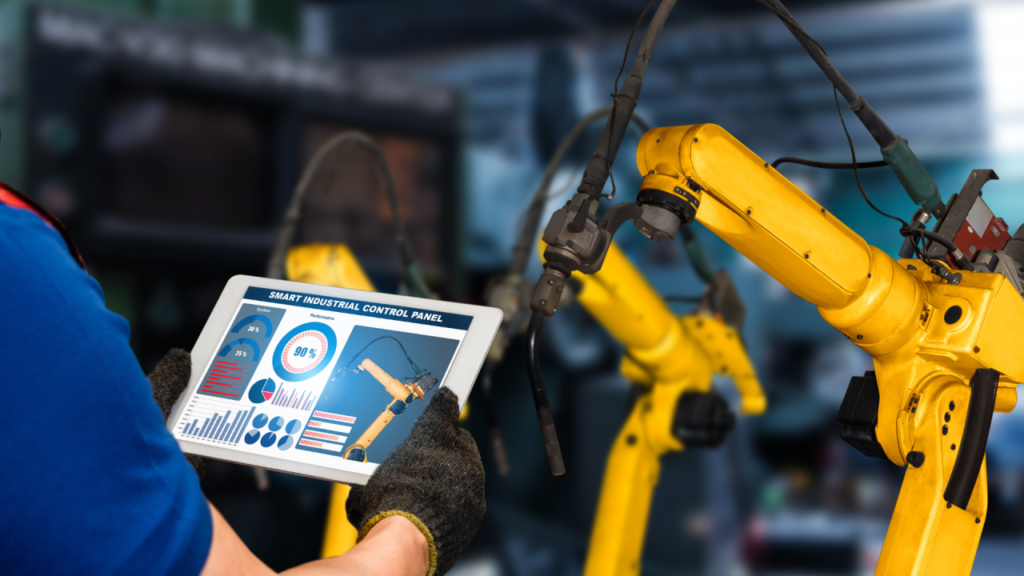
Imagine a factory machine that has a digital counterpart. Every movement, every temperature fluctuation, every tiny vibration gets mirrored. Over time, this digital twin starts to tell a story—how the machine behaves, when it might fail, how it can perform better.
It’s not just observation. It’s insight.
Digital twins technology real-world industries ko kaise transform kar rahi hai?
This question is becoming increasingly relevant as more sectors experiment with the concept.
In manufacturing, digital twins are helping companies predict equipment failures before they happen. Instead of reacting to breakdowns, they’re preventing them. That shift—from reactive to predictive—changes everything.
Keep exploringWhen Apps Start Thinking With You: The Quiet Rise of AI Copilots in Daily Work
In healthcare, digital twins of organs or even entire patients are being explored to simulate treatments. It’s early, still evolving, but the idea of testing a procedure virtually before performing it in reality? That’s powerful.
Urban planning is another space where digital twins are making an impact. Cities can model traffic patterns, energy consumption, even disaster scenarios—making decisions with a level of foresight that wasn’t possible before.
The Quiet Efficiency Behind the Scenes
One of the most interesting things about digital twins is how quietly they operate. You don’t “see” them in the traditional sense. They’re not flashy. No big user interface grabbing attention.
Keep exploringAdvanced Cognitive SEO: The Strategy for Brands That Want to Stay Ahead of the Algorithm Curve
But behind the scenes, they’re constantly working—analyzing, predicting, optimizing.
For businesses, this translates into efficiency. Reduced downtime, better resource allocation, smarter decision-making. It’s not always dramatic, but it adds up.
And over time, those small improvements can make a significant difference.
Data: The Real Fuel
Of course, none of this works without data. Lots of it.
Digital twins rely on accurate, real-time information. Sensors need to be in place. Systems need to communicate seamlessly. And the data itself needs to be reliable.
This creates both an opportunity and a challenge.
On one hand, companies that invest in data infrastructure can unlock powerful insights. On the other, managing and securing that data becomes critical. It’s not just about collecting information—it’s about using it responsibly.
Not Just for Big Corporations Anymore
Initially, digital twins were mostly associated with large enterprises—industries with the resources to invest in complex systems. Aerospace, automotive, heavy manufacturing.
But that’s starting to change.
As technology becomes more accessible, smaller businesses are finding ways to adopt simplified versions of digital twins. Maybe not at the same scale, but enough to gain meaningful benefits.
A small logistics company, for instance, might use digital models to optimize delivery routes. A mid-sized factory could monitor equipment performance more closely. It’s not about size—it’s about application.
The Human Element
Interestingly, even as digital twins become more advanced, they don’t replace human decision-making. They enhance it.
Think of them as advisors. They provide data, highlight patterns, suggest possibilities. But the final call still rests with people.
And that balance matters.
Because technology, no matter how sophisticated, works best when it complements human judgment rather than trying to override it.
Looking Ahead
It’s tempting to think of digital twins as a “future technology,” something that will fully arrive years from now. But in many ways, they’re already here—just not always visible.
As industries continue to digitize, the role of digital twins will likely expand. More detailed models, better predictions, deeper integrations.
But perhaps the most important shift isn’t technological—it’s philosophical. Moving from reacting to problems to anticipating them. From guessing to knowing.
Final Thoughts
Digital twins might not have the buzz of more consumer-facing technologies, but their impact is quietly building.
They’re changing how businesses understand their operations, how cities plan their growth, how industries approach efficiency.
And maybe that’s the beauty of it. Not every transformation needs to be loud.
Sometimes, it just needs to work—consistently, intelligently, and just out of sight.