Water is one of those background essentials in a business. It runs through machines, fills coffee stations, rinses dishes, supports production, cleans surfaces, cools equipment, feeds boilers, and quietly keeps the day moving. Nobody usually thinks about it until something starts going wrong.
And when water does cause problems, it rarely does so in a polite, obvious way. A coffee machine begins tasting off. A dishwasher leaves cloudy glasses. A boiler starts scaling faster than expected. Staff spend more time cleaning equipment. Maintenance costs creep upward. At first, these things may seem unrelated, just normal wear and tear. But often, the water itself is part of the story.
For many commercial spaces, improving water quality is not about luxury. It is about reliability, consistency, and avoiding problems that slowly drain time and money.
Keep exploringBuilding Better Water Solutions: How Smart Choices Improve Everyday Water Experiences
Why Water Quality Matters in Commercial Spaces
Businesses tend to use far more water than the average home. Restaurants, cafés, hotels, laundries, healthcare sites, manufacturing facilities, offices, and workshops all depend on water in different ways. Some need water for taste. Others need it for cleaning, heating, cooling, rinsing, or production.
Clear water does not always mean suitable water. It may contain minerals, sediment, chlorine, dissolved solids, or other substances that affect performance. These issues can show up as scale buildup, poor taste, staining, unpleasant odours, or equipment strain. In a business environment, even small water problems can become expensive when they happen every day.
Protecting the Equipment That Keeps Work Moving
Most businesses rely on equipment that is not cheap to repair or replace. Ice machines, dishwashers, coffee brewers, steamers, boilers, water heaters, cooling systems, washing machines, and production tools all interact with water constantly. If the water is full of minerals or particles, those machines have to work harder.
Keep exploringBetter Water Starts With Better Treatment: Understanding Chlorine, Chloramines and Corrosive Water
A proper water treatment plan can help protect equipment by reducing the substances that contribute to scale, clogging, corrosion, and poor performance. That does not mean maintenance disappears completely, of course. But better water can create healthier operating conditions, which may reduce avoidable breakdowns and keep equipment running more dependably.
The Hidden Cost of Poor Water
Water problems are not always dramatic. Sometimes the cost is hidden in small delays and repeated frustrations. A technician comes out more often. Staff clean scale from surfaces again and again. Machines run less efficiently. Products come out less consistent. Customers notice poor-tasting drinks or cloudy glassware.
These are not always the kind of problems that shut a business down immediately. But they do create friction. And friction costs money. It takes time away from staff, adds pressure to managers, and creates extra work that could often be prevented with the right system in place.
Water and Daily Business Performance
Good water supports smoother business operations because it touches so many parts of the working day. In a restaurant, it may affect drinks, ice, steam equipment, dishwashing, and food preparation. In a hotel, it may affect laundry, guest comfort, fixtures, and maintenance schedules. In a manufacturing setting, it may influence rinsing, cooling, mixing, or product consistency.
The point is simple: water is not just a utility. It is part of the process. When it performs better, the business often performs better too. Not in a flashy way, maybe, but in a practical and measurable way.
Keep exploringHow Better Water Filtration Can Keep Commercial Businesses Running Smoothly
Choosing the Right Treatment System
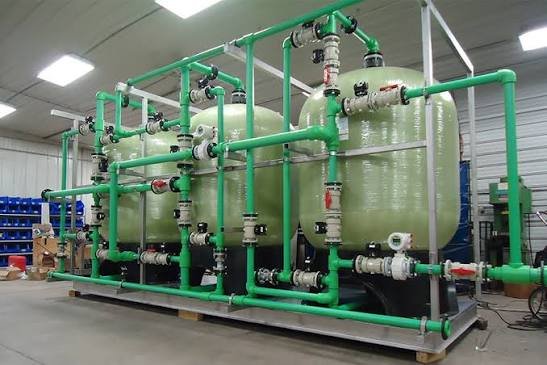
Not every business needs the same water solution. A small café may need filtration for taste and scale control. A dental practice may need more specialised treatment. A factory may require a system designed for higher flow rates and stricter quality targets. A hotel may need a whole-building approach to protect fixtures, laundry, and heating systems.
This is where commercial filtration systems become valuable. They can be designed around actual water conditions, usage levels, equipment demands, and industry requirements. The right system should not be chosen from a generic recommendation. It should be based on testing, planning, and a clear understanding of how the business uses water.
Testing Comes Before Decisions
Water testing is the smart first step. It helps identify hardness, chlorine, sediment, dissolved solids, iron, pH issues, or other concerns. Without testing, choosing a water treatment system becomes guesswork.
Guesswork can be expensive. A business may install a filter that improves taste but does nothing for scale. Or it may focus on softening while ignoring sediment that clogs equipment. Testing helps separate the symptoms from the real causes, making the solution more accurate and cost-effective.
Keep exploringChoosing the Right Water System for a More Comfortable Home
Maintenance Keeps Results Consistent
Even the best system needs care. Filters need replacing. Membranes need monitoring. Media may need servicing. Softening systems may require salt. Pressure, flow, and water quality should be checked regularly, especially in commercial settings where demand is high.
Skipping maintenance can cause performance to drop slowly. The system may still look fine, and water may still flow, but results can decline in the background. A planned service schedule helps keep the system reliable and reduces the risk of sudden problems.
Better Water Builds Confidence
Customers may never see the filtration equipment in the back room. They may not know why the coffee tastes cleaner, why the ice looks better, or why the glassware has fewer spots. But they experience the results.
Keep exploringWhy the Right Water Solution Makes a Bigger Difference Than Most Homeowners Expect
Staff notice too. Fewer equipment issues, easier cleaning, more predictable performance, and less time spent dealing with water-related annoyances can improve the whole workday. For managers, that means fewer interruptions and more control over daily operations.
A Practical Investment That Pays Back Quietly
Water treatment is not always the most glamorous business investment. It does not sit in the front window or appear in a marketing campaign. But it can quietly support quality, reliability, and cost control every day.
In the end, better commercial water is about prevention. It helps businesses avoid problems before they become expensive. It supports the equipment people depend on, improves consistency, and makes daily work feel less stressful.
Good water may work behind the scenes, but its impact is very real. And for any business that depends on water, treating it properly is simply a smarter way to operate.