Water is one of those everyday essentials that usually stays in the background. We turn on the faucet, fill a glass, take a shower, wash vegetables, and carry on with the day. But when the water tastes different, smells unusual, or starts leaving deposits around fixtures, we suddenly pay attention.
One reason water quality can be confusing is that not every issue is visible. Some substances are naturally occurring, while others may be introduced during treatment or through environmental exposure. The right response isn’t to assume something is wrong with every glass of water. It’s to understand the water source, identify the concern, and choose treatment based on actual needs.
Why Water Treatment Starts With Testing
Before choosing a filtration system, testing the water can save a lot of time and money. A water test can reveal characteristics such as hardness, chlorine levels, sediment, iron, sulfur, dissolved minerals, and other substances.
Keep exploringHow Better Water Filtration Can Keep Commercial Businesses Running Smoothly
This matters because different treatment technologies are designed for different jobs. A filter that improves taste and odor may not be intended to reduce dissolved minerals. A water softener addresses hardness, but it isn’t a universal contaminant-removal system.
In short, you want to know the problem before choosing the solution.
Understanding Chloramines in Drinking Water
Many people are familiar with chlorine as a disinfectant, but some water utilities use chloramines instead. Chloramines are disinfecting compounds formed by combining chlorine with ammonia, and they can help maintain a disinfectant residual as water moves through distribution systems.
For many households, the main concern with chloraminated water is taste or odor rather than something immediately noticeable from appearance. Some people find the flavor less appealing, especially when drinking water directly from the tap.
If the goal is to reduce chloramines, the filtration equipment needs to be specifically suited for that purpose. Not every basic carbon filter performs equally well against chloramine, so checking product specifications and performance information is important.
Keep exploringWhat Your Tap Water Is Telling You: A Simple Guide to Better Water Quality
Why Taste and Odor Matter
Water doesn’t have to look dirty to be unpleasant.
A noticeable chemical taste can make people less interested in drinking tap water. That’s where filtration can have a practical everyday benefit. Properly selected filtration may improve taste and odor, making the water more enjoyable for drinking, cooking, and making beverages.
Still, taste isn’t a reliable indicator of safety. Water can taste perfectly normal while containing substances that aren’t detectable by our senses.
That’s why taste improvement and contaminant reduction should be treated as two related but different goals.
Keep exploringWhy the Right Water Solution Makes a Bigger Difference Than Most Homeowners Expect
Choosing a Custom Approach
Every property has different water conditions, usage patterns, and priorities. A household with municipal water may need something different from a home using a private well. A restaurant, hotel, or manufacturing facility can have even more demanding requirements.
A custom system for your water supply can be designed around those differences rather than relying on a generic setup.
For example, a home might need filtration for taste and odor along with a separate softening solution for hard water. Another property may have a sediment issue that needs to be addressed before water reaches other treatment equipment.
The point is simple: the system should fit the water, not the other way around.
What Happens When Water Is Too Hard?
Hard water contains minerals such as calcium and magnesium. These aren’t necessarily something you can see floating in the water, but their effects can become obvious over time.
Keep exploringChoosing the Right Water System for a More Comfortable Home
Mineral scale may develop around faucets and showerheads. Glassware can collect spots, and soap may seem harder to rinse away. Water heaters and other equipment can also be affected by scale buildup.
If hardness is the main concern, a water softener may be appropriate. But it’s important to separate hardness from other water-quality problems. Treating hard water doesn’t automatically address every other substance that may be present.
When You Need Extremely Pure Water
Not every application requires highly purified water. Drinking water in a typical household has very different requirements from water used in a laboratory, manufacturing process, or specialized commercial application.
Keep exploringBetter Water Starts With Better Treatment: Understanding Chlorine, Chloramines and Corrosive Water
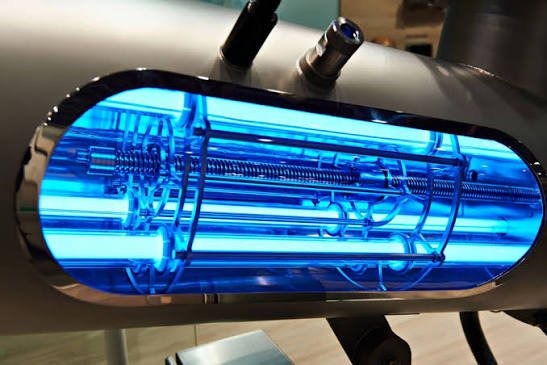
In certain situations, treatment equipment may be designed to provide 99.99% pure water on demand. However, claims about purity should always be understood in context.
Ask what “pure” means in that particular system. Which substances are being reduced? How is performance measured? Under what water conditions? How frequently do filters or other components need to be replaced?
Numbers can sound impressive, but the details behind them are what really matter.
Commercial Water Treatment Requires More Planning
Businesses often use considerably more water than households, and their water requirements may be tied directly to daily operations.
A restaurant needs reliable water for cooking, cleaning, beverages, and ice. Hotels have guests using showers and sinks throughout the property. Industrial facilities may require water that meets specific process requirements.
Commercial treatment systems need to account for flow rate, peak demand, water chemistry, available space, and maintenance.
A system that is undersized may struggle during busy periods. An unnecessarily oversized system, on the other hand, can increase installation and operating costs without offering meaningful advantages.
Proper sizing is a big part of getting the investment right.
Don’t Forget About Maintenance
Water treatment equipment isn’t completely set-and-forget.
Filters eventually become exhausted. Carbon media needs replacement. Softening equipment may require routine servicing. More advanced systems can involve membranes, tanks, pumps, or other components that need periodic attention.
Before installation, ask about the maintenance schedule. Find out how often replacement parts are needed and what they cost.
This is one of those details that may not sound exciting during the buying process, but it becomes very important later.
A system that’s easy to maintain is more likely to keep performing properly over the years.
Be Careful With One-Size-Fits-All Claims
Water treatment advertisements can sometimes make things sound wonderfully simple.
One system promises to solve everything. Another says it produces the purest water possible. Yet real water chemistry isn’t quite that neat.
A good treatment provider should be able to explain what a system is designed to reduce, what it doesn’t address, and what testing supports its performance.
Don’t be afraid to ask specific questions. In fact, you probably should.
The more clearly a provider explains the limitations as well as the benefits, the easier it is to judge whether the equipment is actually suitable.
Think About Long-Term Value
Price matters, but the purchase price isn’t the whole story.
Consider installation, replacement filters, maintenance, water usage, energy requirements where applicable, and expected equipment life.
For businesses, also think about downtime. If water-quality problems contribute to equipment issues, the cost may involve more than simply replacing a component. Delays and interruptions can affect the entire operation.
At home, the calculation may be simpler. You might compare the cost of treatment with bottled water, repeated cleaning, appliance maintenance, or other recurring expenses.
Looking at the bigger picture can make the decision much clearer.
The Bottom Line
Good water treatment isn’t about buying the most complicated equipment available. It’s about understanding your water and choosing technology that addresses the actual issue.
If chloramines are affecting taste or odor, look for treatment specifically designed to reduce them. If hardness is the problem, investigate softening. If a specialized application requires highly purified water, make sure the treatment system’s performance claims are clearly defined and supported.
Most importantly, start with information rather than guesswork.
Once the right system is selected, properly installed, and maintained, water treatment should become something you barely notice. And honestly, that’s probably the best outcome — better-suited water quietly doing its job while you get on with yours.