A comfortable home doesn’t usually announce itself. You don’t walk into the living room and think, “Wow, the HVAC system is doing an excellent job today.” You just sit down, breathe normally, and get on with your evening. That is, in many ways, the point. Good heating and cooling should feel almost invisible.
But when an older system starts slipping, comfort becomes harder to ignore. Maybe the upstairs rooms are always warmer than the downstairs. Maybe the heater runs too long, or the air conditioner seems tired by mid-afternoon. Maybe energy bills keep rising even though nobody is doing anything different. These little frustrations often point to a system that is working harder than it should.
Why Modern HVAC Performance Matters
Older equipment can still run, but running is not the same as running well. Over time, parts wear down, airflow weakens, and efficiency drops. A system may keep the house “mostly comfortable,” yet still waste energy and create uneven temperatures from room to room.
Keep exploringWhy Smarter Door Hardware Is Becoming a Must-Have for Modern Homes
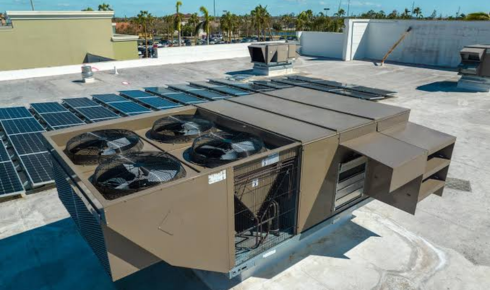
That is where high efficiency systems can make a noticeable difference. Modern HVAC equipment is designed to use energy more wisely while delivering steady heating and cooling. It can respond better to changing indoor conditions, reduce unnecessary run time, and help create a more balanced feel throughout the home. It’s not magic, of course. It’s better design, proper sizing, and careful installation working together.
Comfort Is More Than a Thermostat Number
Two homes can both be set to the same temperature and feel completely different. One may feel calm and balanced, while the other has hot corners, cold bedrooms, and that one hallway nobody enjoys in winter. Comfort depends on airflow, humidity control, insulation, ductwork, equipment condition, and even where the thermostat is placed.
When homeowners talk about upgraded comfort, they are often talking about fewer daily annoyances. Less adjusting the thermostat. Fewer rooms that feel forgotten. Quieter operation. Cleaner airflow. A home that feels more even, not just technically warm or cool.
Sometimes an upgrade means a full system replacement. Other times, it could involve improving ductwork, adding better controls, replacing outdated components, or correcting installation issues from years ago. The right solution depends on the home, not just the equipment brochure.
The Hidden Cost of an Overworked System
An HVAC system that struggles often costs more than people realise. It may run longer, cycle more frequently, and place extra strain on motors, compressors, burners, and electrical parts. That extra workload can lead to more repairs and a shorter system lifespan.
Keep exploringWhat Your Tap Water Is Telling You: A Simple Guide to Better Water Quality
There’s also the comfort cost. A noisy unit, weak airflow, and constant temperature swings can make a home feel less relaxing. You might not notice it all at once, but over time it becomes part of daily life. You start avoiding certain rooms, using space heaters, or setting the thermostat higher than necessary just to compensate.
Why Proper Sizing Is So Important
One common mistake is assuming a bigger HVAC system is automatically better. It sounds logical at first, but oversized equipment can create its own problems. It may heat or cool too quickly, shut off too soon, and fail to manage humidity or airflow properly. Undersized equipment has the opposite issue: it runs constantly and still can’t keep up.
Proper sizing requires more than guessing based on square footage. It should consider insulation, windows, layout, sun exposure, duct condition, ceiling height, and local climate. This is where skilled HVAC experts bring real value. They look at the whole picture before recommending equipment or upgrades.
Installation Quality Can Make or Break Results
Even a top-rated system can disappoint if it is installed poorly. Loose connections, incorrect airflow settings, leaky ducts, poor thermostat placement, or rushed setup can reduce efficiency and comfort from day one. That’s frustrating, especially after investing in better equipment.
Keep exploringHow Better Water Filtration Can Keep Commercial Businesses Running Smoothly
A careful installation includes testing, adjustments, and clear communication. Homeowners should understand how the system works, what maintenance it needs, and what signs to watch for in the future. Good service should leave you confident, not confused.
Maintenance Keeps the Benefits Going
Upgrading your HVAC system is only the beginning. Regular maintenance helps protect that investment. Filters need changing, coils need cleaning, electrical components need checking, and airflow needs to stay clear. Small problems are much easier to handle before they become expensive breakdowns.
Seasonal service also helps the system maintain efficiency. Dust, wear, and minor adjustments can quietly affect performance over time. A yearly inspection may not sound exciting, but it can keep comfort steady and repairs less dramatic.
Keep exploringWhy the Right Water Solution Makes a Bigger Difference Than Most Homeowners Expect
A Home That Feels Right
Better HVAC performance is not just about lower bills or newer equipment. It’s about walking into your home and feeling settled. It’s the bedroom staying comfortable at night. It’s the living room not turning stuffy in the afternoon. It’s not worrying every time the weather changes.
The best systems do their job quietly and consistently. When heating and cooling feel simple, daily life feels a little easier too. And honestly, that kind of comfort is worth planning for.