Most people do not think about their home’s water until something starts feeling off. The kitchen tap tastes a little odd. The shower leaves your skin dry. The toilet bowl stains too quickly, or the glasses come out of the dishwasher looking cloudy again. These are small annoyances, but they have a way of becoming part of daily life.
Water should not feel like a mystery. You should be able to drink it, cook with it, shower in it, and use it around the house without second-guessing every tap. When that confidence is missing, it may be time to look a little closer.
That is where home water treatment can help. Not as some complicated luxury, but as a practical way to solve problems like hardness, chlorine taste, sediment, odors, iron stains, or poor drinking water quality.
Small Signs Can Tell a Bigger Story
Water problems often begin quietly. Maybe the coffee tastes different. Maybe the laundry feels stiff. Maybe there is white buildup around the faucet or a faint smell when hot water runs. It is easy to ignore these things because the water still looks mostly fine.
Keep exploringWhat Your Tap Water Is Telling You: A Simple Guide to Better Water Quality
But water leaves clues. Hardness can cause scale on fixtures and inside appliances. Iron may leave orange stains. Sediment can make water look cloudy or gritty. Chlorine can affect taste and odor. Sulfur can create that unpleasant rotten-egg smell.
Once those clues are understood, the solution becomes easier to choose.
Why Local Knowledge Matters
Water is not the same everywhere. Even nearby neighborhoods can have different challenges depending on the source, plumbing age, mineral levels, and local treatment methods. Private wells can vary even more from one property to the next.
That is why local water experts can be so helpful. They understand common regional water issues, know what symptoms usually point to, and can recommend testing based on the area rather than guessing from a generic checklist.
A good expert should explain things clearly, without pressure. Homeowners deserve to know what is in their water, what it means, and what options make sense.
Keep exploringChoosing the Right Water System for a More Comfortable Home
Testing Comes Before Equipment
Buying a filter before testing water is a bit like buying medicine before knowing what is wrong. Sometimes it works, but often it does not.
Water testing can check hardness, pH, iron, manganese, chlorine, sediment, total dissolved solids, and other common concerns. For wells or safety-related questions, lab testing may be needed for bacteria, nitrates, lead, arsenic, or similar issues.
The goal is simple: match the solution to the actual problem. A softener helps with hard water. Carbon filtration can improve certain tastes and odors. Sediment filters catch particles. Reverse osmosis can polish drinking water. Specialty systems may be needed for iron, sulfur, or bacteria concerns.
Keep exploringWhy the Right Water Solution Makes a Bigger Difference Than Most Homeowners Expect
Whole-Home or Point-of-Use?
Some water issues affect the entire house. If showers smell odd, fixtures stain, laundry feels rough, or appliances collect scale, a whole-home system may be the better route. It treats water as it enters the home, before it reaches taps and equipment.
Other concerns are more focused on drinking and cooking. In that case, an under-sink filter or reverse osmosis system may be enough. Many homes use both: whole-home treatment for general comfort and protection, plus a point-of-use system for extra-clean drinking water.
There is no one perfect setup for every home. The right system depends on the water test, household size, plumbing, and what the family wants to improve most.
Keep exploringBetter Water Starts With Better Treatment: Understanding Chlorine, Chloramines and Corrosive Water
Better Water Changes Everyday Life
When water improves, the difference shows up in ordinary moments. Coffee tastes cleaner. Dishes look clearer. Showers feel fresher. Laundry feels softer. Fixtures stay cleaner for longer. You stop reaching for bottled water out of habit.
That is the quiet value of better water. It does not need to be dramatic. It simply makes the home feel easier to live in.
Good water treatment can also help protect appliances from scale, sediment, and buildup. Water heaters, dishwashers, washing machines, ice makers, and coffee machines all benefit when the water moving through them is better suited for the job.
Maintenance Should Be Simple
Every system needs some care. Filters need replacing. Softeners need salt. Reverse osmosis systems need cartridge changes. UV lamps, if used, need periodic replacement. But a well-designed system should not feel like a burden.
Keep exploringHow Water Quality Can Affect the Comfort of Everyday Life
If filters clog too quickly or the same problem keeps returning, the system may not be matched properly to the water. Good design, correct sizing, and routine service make a big difference.
A Practical Step Toward Water You Trust
Water affects more of your home than most people realize. It touches meals, showers, laundry, cleaning, plumbing, and appliances. When it is clean, clear, and comfortable, life just runs smoother.
The best first step is testing. From there, treatment becomes a thoughtful decision rather than a guess. Whether your home needs a simple drinking water filter, a softener, whole-home filtration, or a more customized setup, the right solution starts with understanding the water itself.
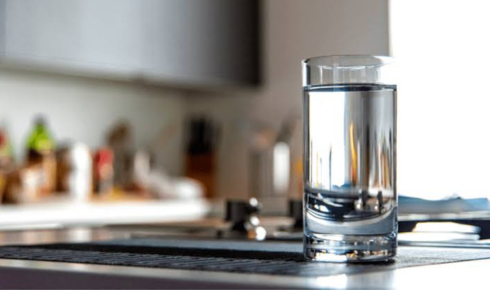
In the end, better water is really about peace of mind. It is filling a glass without hesitation, taking a shower without noticing odor, and knowing your home’s water is working for you instead of against you.