Water is one of those everyday essentials that quietly shapes how a home or business feels. It fills glasses, runs through showers, feeds appliances, cleans dishes, washes laundry, supports kitchens, and keeps commercial operations moving. Most of the time, it works in the background. Nobody thinks too much about it until something starts to feel a little off.
Maybe the water tastes metallic. Maybe there are rust-coloured marks around the sink. Maybe the shower glass keeps turning cloudy, even after cleaning. In a business setting, the signs may be different — clogged equipment, inconsistent water quality, scale buildup, or filters that seem to need changing far too often.
The tricky thing is, water issues are not always easy to understand by sight, smell, or taste alone. Some problems are obvious. Others are hidden. That is why a proper testing process matters. It gives property owners real information, not guesses.
Keep exploringWhat Your Tap Water Is Telling You: A Simple Guide to Better Water Quality
Why Water Testing Should Come First
A lot of people try to solve water problems backwards. They notice a symptom, buy a filter or softener, and hope it fixes everything. Sometimes it helps. Sometimes it only handles one piece of the issue while the real cause continues quietly in the background.
Water can contain hardness minerals, iron, sediment, chlorine, sulfur compounds, acidity, bacteria concerns, or other elements depending on the source and location. Two homes on the same street can even have different conditions, especially if one has older plumbing or a private well.
A proper water testing process brings clarity. It helps identify what is actually happening before money is spent on equipment. That alone can save a lot of frustration.
Keep exploringChoosing the Right Water System for a More Comfortable Home
Starting with a Conversation
Every good water service begins by understanding the situation. What have you noticed? Is the water staining fixtures? Does it smell strange? Does it taste different at certain times of day? Are appliances showing signs of buildup? Is the property on city water or well water?
That first conversation matters more than people realise. During an initial consultation, a professional can learn about the property, daily water use, visible symptoms, and any concerns the owner already has. It is not just small talk. It helps guide the right testing approach.
For example, a family worried about drinking water may need different testing than a restaurant dealing with equipment scale. A rural home using well water may need a more detailed look than a property connected to a municipal supply.
Collecting the Right Sample
Water testing is only useful if the sample is handled correctly. It sounds simple enough — fill a bottle and send it off — but the details matter. The sample may need to come from a specific tap, after a certain amount of flushing, or in a clean container designed for the test being performed.
Keep exploringWhy Clean Water Is One of the Best Investments You Can Make for Your Home
Poor handling can affect the results. If the bottle is contaminated, the water sits too long, or the wrong tap is used, the findings may not tell the full story. That can lead to wrong recommendations later.
This is why proper sample collection is an important part of the process. It helps make sure the water being tested truly represents what is moving through the property’s system.
What Testing Can Reveal
A water test can uncover a lot. It may show hardness levels, pH balance, iron content, chlorine presence, total dissolved solids, sediment issues, or other concerns. For well water, testing may also look for bacteria, nitrates, metals, or source-specific risks.
The results are useful because many water problems overlap. White scale often points to hardness, but other minerals may also be present. A rotten-egg smell may suggest sulfur, but the source still needs to be confirmed. Staining might come from iron, manganese, or plumbing-related conditions.
Keep exploringWhy the Right Water Solution Makes a Bigger Difference Than Most Homeowners Expect
Good testing separates assumption from fact. And when facts are clear, the solution becomes much easier to choose.
When Deeper Testing Is Needed
Some water concerns require a more advanced review. This is especially true when health, safety, compliance, or unusual contamination is involved. Businesses may need more detailed testing because water can affect operations, products, equipment, or customer experience.
For these cases, laboratory analysis can provide a more complete picture of the water’s condition. It may identify specific contaminants, confirm bacteria concerns, or measure elements that cannot be accurately checked with a simple on-site test.
Not every situation needs advanced lab testing, but when it does, it offers a level of confidence that basic guesswork never can.
Keep exploringWhat You Should Know About Chloramines and Choosing the Right Water Treatment
Turning Results into Practical Solutions
Once the results are available, the next step is explaining them clearly. This is where a good provider stands out. Homeowners and business owners should not be buried in confusing technical language. They should understand what was found, what it means, and what can be done about it.
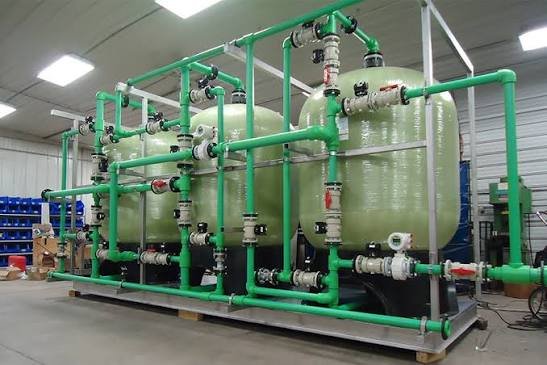
Some properties may need a softener to reduce hardness. Others may need filtration for taste, odour, chlorine, sediment, or iron. Some may benefit from reverse osmosis drinking water systems. Commercial properties may need larger, higher-capacity solutions designed around equipment demands and daily usage.
The best recommendation is not always the most expensive one. It is the one that fits the water, the property, and the people using it.
Better Water Starts with Better Information
Water treatment is most effective when it begins with the right process. A thoughtful conversation, proper sample handling, accurate testing, and clear explanations all work together. They turn uncertainty into a plan.
And that is really what most people want. They do not want to become water experts. They just want water that tastes better, protects their property, supports their routines, and does not create constant headaches.
Whether it is for a home, office, restaurant, rental property, or commercial facility, water testing is a smart first step. It helps avoid wasted money, prevents unnecessary equipment choices, and gives owners confidence in what comes from the tap.
In the end, better water is not about guessing harder. It is about looking closely, understanding the facts, and choosing a solution that actually makes sense.