Most of us don’t think about water until something feels off. Maybe the tap water tastes a little strange one morning. Maybe the shower leaves your skin feeling tight. Or maybe the kettle has that chalky white layer inside, the one you keep meaning to clean but somehow forget about until tea time. Water is one of those everyday things that quietly supports the whole house, yet we rarely stop and ask whether it’s doing the job properly.
And honestly, that’s understandable. Life is busy. People have bills, kids, work calls, dinner to cook, and a washing machine that somehow always needs emptying. Water just comes out of the tap, and we assume it’s fine.
But good water quality matters more than many homeowners realize. It affects drinking, cooking, bathing, laundry, appliances, plumbing, and even how comfortable a home feels. When water is cleaner, safer, and better treated, daily routines become easier in small but meaningful ways.
Keep exploringWhat Your Tap Water Is Telling You: A Simple Guide to Better Water Quality
Why Water Quality Is Not Always Obvious
Clear water can still contain things you’d rather not have in your glass. That doesn’t mean every home has a serious problem, but it does mean appearance alone isn’t enough. Water can carry minerals, sediment, chlorine, bacteria, metals, or other unwanted substances depending on where it comes from and how it travels.
Municipal water usually goes through treatment before reaching homes, but it still has to pass through miles of pipes. Private well water is even more personal because the homeowner is typically responsible for testing and maintenance. Old plumbing, nearby construction, agricultural runoff, seasonal changes, and local ground conditions can all affect what ends up at the tap.
That’s why clean water is not just about looking fresh in a glass. It’s about knowing what is actually in it, how it behaves in your home, and whether it supports your family’s everyday needs.
The Everyday Signs People Often Ignore
Water problems don’t always arrive dramatically. Sometimes they show up as little annoyances. A cloudy film on glassware. Rust stains around drains. Soap that doesn’t lather well. A showerhead that sprays unevenly. Clothes that come out of the wash feeling rough. These small frustrations are easy to blame on cleaning products or old fixtures, but water may be part of the story.
Keep exploringBuilding Better Water Solutions: How Smart Choices Improve Everyday Water Experiences
Hard water, for example, can leave mineral buildup on surfaces and inside appliances. Chlorine may affect taste and smell. Sediment can make water appear cloudy or gritty. Iron may stain sinks and toilets. Each issue has its own cause, and each one needs the right response.
The tricky part is that many people try to fix the symptom instead of the source. They scrub harder, buy stronger cleaners, or replace fixtures, only to see the same issue return. It’s a bit like mopping the floor while the tap is still leaking. Helpful for a moment, but not a real solution.
Why Testing Comes Before Treatment
Before choosing any system, it helps to know what your water actually needs. A water test can reveal hardness levels, pH balance, chlorine content, iron, sediment, bacteria, and other possible concerns. Without testing, choosing a filter or treatment system becomes guesswork.
Keep exploringWhy the Right Water Solution Makes a Bigger Difference Than Most Homeowners Expect
And guesswork can get expensive.
A simple pitcher filter may improve taste, but it won’t solve every water issue. A whole-house filter may be useful in one home and unnecessary in another. A softener can help with hardness, but it may not address contaminants. Reverse osmosis can be excellent for drinking water, but not every household needs the same setup.
Testing gives you direction. It turns vague concerns into clear information, and that makes decisions easier.
Different Homes Need Different Solutions
There’s no one-size-fits-all answer for water treatment. A family living in a city apartment may have very different needs than someone using a private well outside town. A newly built home may face different concerns than a house with older pipes. Even two homes in the same area can experience different water quality because plumbing and usage patterns vary.
Keep exploringHow Water Quality Can Affect the Comfort of Everyday Life
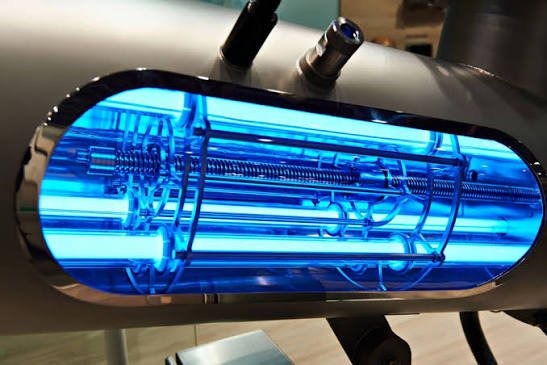
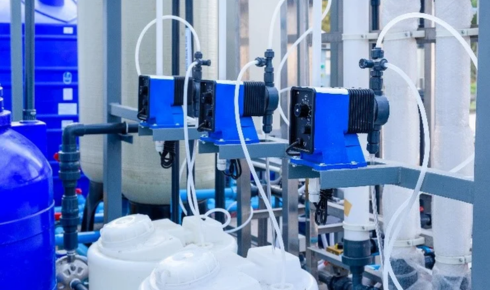
That’s where proper water treatment solutions come in. The right system should match the actual water conditions, not just follow a trend or a random online recommendation. Some homes may benefit from carbon filtration to reduce chlorine taste and odor. Others may need sediment filters, water softeners, UV purification, reverse osmosis, or a combination of systems.
The best approach is practical, not flashy. It should solve the real issue, fit the household’s usage, and be easy enough to maintain over time.
The Comfort of Trusting Your Tap
There’s something peaceful about trusting the water in your own home. You fill a pot for rice without second-guessing it. You hand your child a glass without worrying. You make coffee and it tastes like coffee, not chlorine or metal. These are small moments, but they add up.
For many people, safe water is the real goal. Not fancy water. Not bottled-water-level marketing promises. Just reliable water that feels right for drinking, cooking, bathing, and everyday living.
Good water quality can also reduce reliance on plastic bottles, which saves money and cuts down on waste. It may help appliances last longer, keep plumbing in better condition, and make cleaning less frustrating. The benefits are often quiet, but they’re real.
Keep exploringWhy Clean Water Is One of the Best Investments You Can Make for Your Home
Maintenance Still Matters
Installing a treatment system is not the end of the story. Filters need changing. Softener salt may need checking. UV lamps have replacement schedules. Reverse osmosis membranes don’t last forever. Like any home system, water treatment works best when it’s looked after.
That doesn’t mean maintenance has to be difficult. In many cases, it’s simple once you know the schedule. The problem is forgetting about it for years and assuming everything is still working as it should. A neglected system can lose effectiveness, and in some cases, it can create new issues.
A little routine care goes a long way.
A Better Home Starts With Better Water
Water is easy to overlook because it’s always there. It runs quietly through walls, taps, appliances, showers, and daily habits. But when the quality improves, you notice it in ways that feel surprisingly personal. Better taste. Less buildup. Cleaner dishes. Softer laundry. More confidence.
You don’t need to panic about your water, but you shouldn’t ignore it either. Start with testing. Understand the problem. Choose a solution that fits your home rather than chasing the most expensive option or the most advertised one.
In the end, better water is not just about health or plumbing or taste. It’s about making everyday life a little smoother. And sometimes, that’s exactly the kind of improvement a home needs most.