Hard water has a funny way of making itself known. At first, it might just leave a few cloudy spots on your shower glass or make soap feel strangely difficult to rinse away. Then the signs start piling up: rough-feeling laundry, dry skin, stubborn scale around faucets, and mineral deposits inside appliances.
A water softener can make a noticeable difference, but buying one is only part of the story. Proper installation, timely repairs, and regular care all play a role in keeping the system working properly. After all, even a good machine won’t perform well forever if it’s installed incorrectly or simply forgotten about.
Understanding what your softener needs can save money, prevent avoidable plumbing problems, and help you get more value from the system.
Keep exploringWhat Your Tap Water Is Telling You: A Simple Guide to Better Water Quality
Why Proper Installation Matters
A water softener isn’t something you should necessarily treat like another plug-in household appliance. It becomes part of your home’s water system, which means the installation needs to match your plumbing layout, water usage, incoming water quality, and available space.
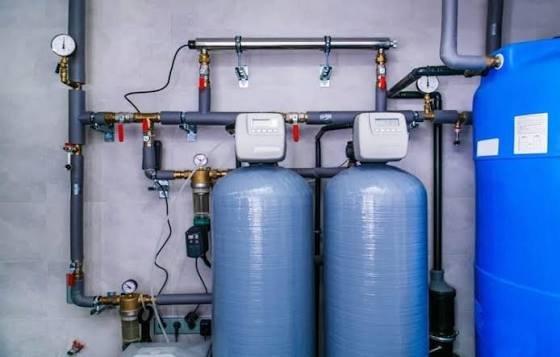
Professional water softener installation typically involves connecting the unit to the main water supply, setting up the drain line, configuring the brine tank, and programming the system according to household needs. The exact setup can vary considerably from one property to another.
Location matters, too. A softener needs enough room for servicing and salt replenishment, while the area should ideally protect the equipment from extreme temperatures and unnecessary moisture. A poorly positioned unit can become a headache later.
There’s also the question of water pressure and flow. If the system isn’t properly matched to the home’s plumbing, you may experience reduced pressure or inconsistent performance. Getting these details right from day one is much easier than fixing them months later.
Keep exploringWhy the Right Water Solution Makes a Bigger Difference Than Most Homeowners Expect
How a Water Softener Actually Helps
Hard water usually contains elevated levels of minerals such as calcium and magnesium. These minerals aren’t necessarily a reason to panic, but they can create plenty of everyday annoyances.
Over time, hard water can contribute to scale buildup inside pipes, water heaters, showerheads, dishwashers, and washing machines. Soap and shampoo may also struggle to lather properly, leaving behind residue.
A conventional ion-exchange water softener works by exchanging hardness minerals for sodium or, in some systems, potassium ions. The result is softened water that is less likely to create mineral scale.
Keep exploringBetter Water Can Make the Whole House Feel Easier to Live In
You may notice smaller changes first. Faucets are easier to clean. Glassware looks clearer. Laundry feels less stiff. Then there are the less obvious benefits, such as reducing mineral buildup inside plumbing and appliances.
It’s not magic, though. A softener doesn’t solve every water-quality concern. Contaminants such as bacteria, certain chemicals, or sediment may require other treatment technologies. That’s why testing the water before choosing a treatment system is often a smart starting point.
Signs Your Softener May Need Repair
Even a well-installed softener can eventually develop problems. Maybe the regeneration cycle stops working. Maybe the tank seems to be using too much salt. Or perhaps the water suddenly feels hard again.
Keep exploringChoosing the Right Water System for a More Comfortable Home
These issues shouldn’t automatically be blamed on the entire system.
A clogged injector, faulty control valve, damaged resin bed, blocked drain line, or incorrect settings can all affect performance. Sometimes the solution is surprisingly simple. Other times, a component may need replacement.
If you’re noticing a change in water quality, salt consumption, or regeneration behavior, water softener repair from a qualified technician can help identify the actual cause rather than simply treating the symptom.
One common mistake is continuing to operate a malfunctioning system for months because “it still kind of works.” That’s usually false economy. A small issue can become a more expensive repair if neglected, particularly when water leaks or mechanical components are involved.
Maintenance Is Easier Than You Think
Regular maintenance doesn’t have to become another item on your never-ending household to-do list. In most homes, a little attention now and then goes a long way.
Keep exploringHow Water Quality Can Affect the Comfort of Everyday Life
Good water softener maintenance generally includes checking salt levels, keeping the brine tank reasonably clean, inspecting connections for leaks, and making sure the drain line remains clear. It’s also worth checking the programmed settings occasionally, especially after changes in household size or water usage.
Don’t simply keep pouring salt into the tank whenever the level looks low. Depending on the system, excessive salt can lead to bridging or other operating issues. A hard crust can form inside the brine tank, preventing salt from dissolving properly.
If you notice a layer of salt sitting above an empty space, gently checking for a salt bridge may be necessary. Avoid attacking it aggressively with sharp tools, though. You don’t want to damage the tank while trying to fix it.
Manufacturers may also recommend periodic cleaning or sanitizing. Following the specific instructions for your model is safer than relying on generic advice.
Choosing the Right Softener for Your Home
Not every household needs the same type or size of water softener.
A small household with modest water consumption may need a very different capacity from a large family with several bathrooms. Water hardness levels matter as well. If the incoming water is particularly hard, an undersized system may regenerate too frequently and struggle to keep up.
Before purchasing equipment, consider:
- Your home’s water hardness level
- Number of people in the household
- Average daily water consumption
- Available installation space
- Water pressure and flow rate
- Salt or regeneration requirements
- Manufacturer service and warranty options
A professional water assessment can make this decision much less confusing. Rather than guessing based on a product description, you’ll have information that relates directly to your home’s water conditions.
Don’t Ignore Leaks or Unusual Noises
A softener that’s making strange noises, leaking around fittings, or cycling at unusual times deserves attention.
Some sounds are completely normal. Regeneration, water movement, and valve operation can create noise. But sudden changes shouldn’t be ignored.
Check visible connections and the surrounding floor for moisture. If water is escaping from the tank, valve assembly, or plumbing connections, shut off the system if necessary and arrange for professional assistance.
It’s also worth paying attention to changes in salt usage. A sudden increase can indicate a programming issue, inefficient regeneration, or another mechanical problem. Similarly, a sudden drop isn’t necessarily good news if the system isn’t regenerating properly.
Your water itself can provide clues. If scale begins returning to faucets or water feels noticeably different after months of improvement, something may have changed.
Think Beyond the Softener
A water softener can be an important part of a home’s water-treatment setup, but it shouldn’t be expected to do everything.
Depending on your water source, you might also need sediment filtration, carbon filtration, reverse osmosis, or another treatment method. Well water, for example, can have very different challenges from treated municipal water.
The best approach is usually to test first and choose treatment based on actual water conditions. That sounds less exciting than buying the latest gadget, perhaps, but it’s far more practical.
Water quality is personal to the home. What works beautifully for one property may be unnecessary—or inadequate—for another.
A Little Attention Goes a Long Way
A water softener is one of those household systems you tend to notice most when it stops doing its job. When everything is working properly, you probably don’t think about it at all.
That’s actually a good thing.
Proper installation gives the system a strong foundation. Routine maintenance helps keep everyday problems at bay, while prompt repairs can prevent small faults from becoming expensive ones. Together, these steps help the equipment operate more efficiently and last longer.
If hard water has become a persistent nuisance in your home, don’t just live with it indefinitely. Start with a water-quality assessment, understand what you’re dealing with, and choose a treatment solution that fits your household. Good water treatment isn’t about having the most complicated system on the market. It’s about having the right system—and taking reasonable care of it once it’s in place.