Most people don’t think much about the water coming out of their tap. It’s just there, part of the background of daily life. You fill a kettle, rinse vegetables, brush your teeth, make coffee, wash your hands, and carry on. Unless the water smells strange or comes out looking cloudy, it’s easy to assume everything is fine.
And often, it is. But not always.
Water can be a little deceptive. Some problems are obvious, like brown stains in the sink or a rotten smell that makes everyone in the kitchen wrinkle their nose. Other issues are quiet. They don’t change the colour. They don’t announce themselves in a dramatic way. They simply sit there, unnoticed, until testing or repeated household problems finally point to the source.
That’s why homeowners, renters, and property managers are starting to pay closer attention. Safe water isn’t just about taste. It touches health, comfort, plumbing, appliances, and even how confident you feel using your own kitchen tap.
Keep exploringWhat Your Tap Water Is Telling You: A Simple Guide to Better Water Quality
Clear Water Doesn’t Always Mean Safe Water
There’s a common belief that clear water must be clean water. It makes sense on the surface. If it looks normal, why worry? But water can contain things the eye cannot detect. Minerals, bacteria, chemicals, sediment, and metals may be present even when the glass looks perfectly clear.
This is where water quality becomes more than a technical phrase. It’s really about what’s inside the water, how it behaves in your home, and whether it is suitable for drinking, cooking, bathing, and everyday use. Good water should not only look clean; it should also be tested, balanced, and safe for the people relying on it.
A home with old pipes may face different concerns than a rural property using well water. A newly built house may still experience issues from supply lines, local treatment changes, or construction-related sediment. Water problems are not limited to old homes or neglected systems. Sometimes they show up in places where everything else seems modern and well maintained.
How Water Problems Begin
Water can become unsafe at different points along its journey. It may start with the source itself, especially in private wells, lakes, rivers, or groundwater supplies. Heavy rainfall, flooding, nearby farming, septic leakage, or industrial activity can all affect what enters the water.
Keep exploringHow Water Quality Can Affect the Comfort of Everyday Life
Even after treatment, water still travels through pipes before it reaches your tap. If those pipes are aging, damaged, or corroded, they may add unwanted materials along the way. Pressure changes in the system can also disturb sediment or allow outside material to enter through weak spots.
In some homes, the problem is not one big disaster but a slow buildup of small issues. A filter that hasn’t been replaced. A storage tank that needs cleaning. A well cap that no longer seals properly. A plumbing repair that introduced debris into the line. These things happen, and they’re easy to miss.
The Bacterial Side of Water Safety
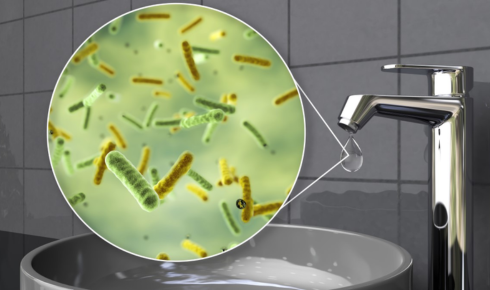
One of the more serious concerns is bacterial contamination, especially because it often cannot be spotted by sight, smell, or taste. Bacteria may enter water through sewage leaks, animal waste, surface runoff, poorly maintained wells, or damaged plumbing systems. Some bacteria are harmless, but others can cause stomach illness and other health concerns, particularly for children, older adults, and people with weaker immune systems.
The tricky part is that a household may continue using the same water for weeks or months without realizing anything is wrong. Someone may blame a stomach bug on food, travel, or general bad luck. Meanwhile, the water source never gets checked.
Keep exploringWhy Clean Water Is One of the Best Investments You Can Make for Your Home
That doesn’t mean people should panic every time they drink from the tap. Panic rarely helps. But awareness does. If a private well has not been tested in a long time, or if there has been flooding nearby, or if the water suddenly smells or tastes odd, testing becomes a very sensible step.
Small Warning Signs Worth Noticing
Water often gives little hints before people take it seriously. Maybe the shower has a musty smell. Maybe glasses come out of the dishwasher with spots. Maybe the toilet tank has slimy buildup, or the sink develops stains that keep coming back no matter how much you scrub.
Taste can also be a clue. Metallic, earthy, salty, bitter, or chlorine-heavy water may point to different issues. Cloudiness that lingers, visible particles, or a sudden change after plumbing work should not be ignored either.
Keep exploringWhy Better Water at Home Can Make Everyday Life Feel Surprisingly Different
Of course, not every stain or smell means something dangerous. Hard water, iron, manganese, sulfur, and harmless sediment can all create annoying but manageable problems. Still, guessing is not the best strategy. Water can be tested, and once you know what is actually present, the solution becomes much easier to choose.
Why Testing Comes Before Treatment
A lot of people buy filters based on advertisements, neighbour recommendations, or whatever looks good online. That’s understandable, but it can lead to wasted money. Not every filter removes every contaminant. A softener helps with hardness but won’t solve every drinking water concern. A carbon filter may improve taste and reduce certain chemicals, but it may not handle bacteria unless designed and certified for that purpose.
Proper testing gives you a real starting point. It can check for bacteria, hardness, pH, metals, nitrates, chlorine, sediment, and other concerns depending on the water source. For well owners, routine testing is especially important because there may not be a public utility monitoring the water for them.
Keep exploringBuilding Better Water Solutions: How Smart Choices Improve Everyday Water Experiences
Once results are available, treatment becomes practical instead of random. You may need disinfection, filtration, reverse osmosis, softening, sediment control, or a combination of systems. Sometimes the answer is surprisingly simple. Other times, it needs a more complete approach.
Keeping Water Healthy Over Time
Getting clean water is not a one-time task that you finish and forget forever. Water systems need care. Filters must be changed. UV lamps need replacing. Softeners need salt. Wells should be checked. Plumbing should be watched for corrosion, leaks, and pressure problems.
It’s a bit like maintaining a car. You don’t wait for smoke under the hood before thinking about oil, tyres, or brakes. Water deserves the same practical attention, especially because it affects so many parts of daily life.
A good habit is to test water after major storms, flooding, plumbing repairs, changes in taste or smell, or long periods without system maintenance. Private well users should consider annual testing, even when everything seems normal.
A Simple Habit That Protects the Home
Water is easy to overlook because it feels ordinary. But ordinary things matter most. The glass beside your bed, the soup on the stove, the baby bottle, the morning coffee, the shower after a long day — all of it depends on water you can trust.
Taking water safety seriously doesn’t mean being fearful. It means being responsible. Pay attention to changes. Test when needed. Maintain the systems already in place. And don’t assume clear water tells the whole story.
Sometimes the smartest home improvement isn’t a new fixture, fresh paint, or a fancy appliance. Sometimes it’s simply knowing what’s in your water — and doing something about it before a small concern becomes a bigger one.