There’s something oddly comforting about filling a glass straight from the kitchen tap. It’s such a small, everyday habit that most of us rarely stop to think about it. We trust that the water flowing into our homes is good enough, and in many cases, it is. But “good enough” doesn’t always mean ideal. Tiny contaminants, aging plumbing, hard minerals, and even changing environmental conditions can quietly affect the quality of the water we drink every single day.
The truth is, clean water isn’t just about taste. It influences cooking, coffee, tea, household appliances, and, of course, our overall well-being. Once you start paying attention, you begin to notice little things—a strange aftertaste, cloudy ice cubes, mineral buildup around faucets, or dry skin after a shower. Those small signs often tell a much bigger story.
Understanding What’s Really in Your Tap Water
Municipal water treatment does an impressive job of making water safe for public use, but it can’t account for everything that happens once the water leaves the treatment facility. It still travels through miles of underground pipes before reaching your home, and those pipes can introduce their own challenges over time.
Keep exploringBuilding Better Water Solutions: How Smart Choices Improve Everyday Water Experiences
Private well owners face a different situation altogether. Since well water isn’t continuously treated by a public utility, homeowners are responsible for monitoring its quality themselves. Seasonal weather changes, nearby construction, agricultural runoff, or naturally occurring minerals can all influence what’s present in the water.
That’s why many homeowners are starting to look beyond the basics. They’re not necessarily reacting to a problem—they’re simply becoming more informed about what enters their homes every day.
Why Testing Comes Before Treatment
One mistake people often make is buying a filtration system based solely on advertisements or recommendations from friends. While good intentions are there, every home’s water is different.
Keep exploringWhat Your Tap Water Is Telling You: A Simple Guide to Better Water Quality
A professional provides a much clearer picture of what’s actually present. Instead of guessing, homeowners receive detailed information about mineral content, hardness, pH levels, chlorine, sediment, and other possible contaminants. That knowledge makes choosing the right treatment system far easier and often saves money in the long run.
Think of it like visiting a doctor. You wouldn’t start medication before understanding the diagnosis. Water treatment follows the same principle. Test first, then treat with confidence.
The peace of mind that comes from knowing exactly what you’re drinking is worth far more than assumptions.
Keep exploringHow Water Quality Can Affect the Comfort of Everyday Life
Choosing a Filtration System That Fits Your Home
Not every household needs the same solution. Some homes struggle mainly with hard water, while others are concerned about chlorine taste, sediment, or trace contaminants.
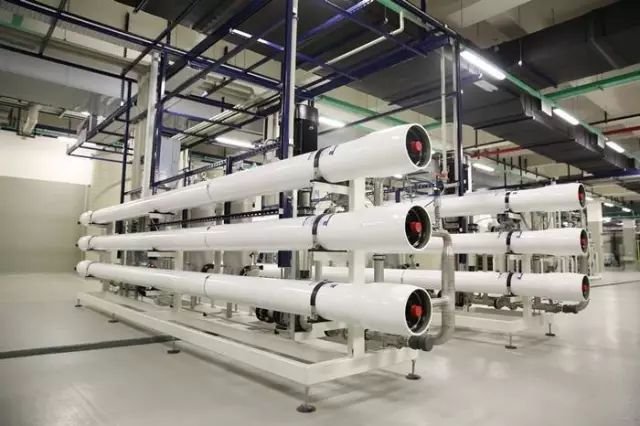
For families wanting exceptionally clean drinking water, reverse osmosis drinking water systems remain one of the most trusted choices available. These systems use a specialized membrane capable of removing an impressive range of dissolved solids and unwanted particles while improving both taste and odor.
Many homeowners install reverse osmosis units beneath the kitchen sink because that’s where drinking and cooking water is used most frequently. Others pair them with whole-house filtration systems, creating a more complete water treatment approach.
It’s not about buying the biggest or most expensive system. It’s about matching the solution to the actual condition of your water.
Keep exploringWhy the Right Water Solution Makes a Bigger Difference Than Most Homeowners Expect
Looking Beyond Taste Alone
Water that tastes fine isn’t always free from concerns, and water that tastes slightly different isn’t necessarily unsafe. That’s why relying only on your senses can sometimes be misleading.
Modern filtration technologies have advanced significantly over the past decade. Today’s systems are designed to target specific contaminants depending on local water conditions and homeowner priorities.
Some families, especially those with young children or older plumbing, specifically look for filtration systems that focus on PFOA/PFOS – cyst & lead removal because these contaminants have received growing public attention in recent years. Selecting certified equipment designed for those specific concerns provides an extra layer of confidence without turning everyday water use into something stressful.
The goal isn’t fear. It’s informed decision-making.
Small Improvements That Make a Big Difference
Water quality affects more than just the glass sitting on your dining table.
Keep exploringBetter Water Starts With Better Treatment: Understanding Chlorine, Chloramines and Corrosive Water
Coffee often tastes smoother with filtered water. Ice cubes become clearer. Fresh vegetables rinse more cleanly. Pasta cooks better, and homemade soups maintain their intended flavor instead of absorbing unwanted mineral notes.
Hard water can also shorten the lifespan of appliances like dishwashers, washing machines, coffee makers, and water heaters. Mineral deposits slowly accumulate inside equipment, reducing efficiency and increasing maintenance costs over time.
Many homeowners don’t immediately notice these improvements after installing a filtration system because they happen gradually. Then, months later, they visit another home, take a sip of tap water, and suddenly appreciate how much their own water has changed.
Sometimes the best upgrades are the ones you quietly water quality analysis benefit from every single day.
Making Water Quality Part of Everyday Living
Improving household water doesn’t require becoming an expert in chemistry or plumbing. It simply starts with paying attention.
Schedule periodic water testing. Replace filter cartridges according to manufacturer recommendations. If your home’s plumbing is older, don’t ignore unusual discoloration or metallic tastes. Small observations today often prevent larger problems tomorrow.
It’s also worth remembering that local water conditions change over time. Population growth, infrastructure updates, seasonal rainfall, drought conditions, and environmental regulations all influence the water delivered to homes. A system that worked perfectly five years ago may benefit from an updated evaluation today.
Water is one of those things we often take for granted—until something changes. Yet investing a little time in understanding its quality pays dividends every single day.
In the end, better water isn’t about chasing perfection. It’s about making thoughtful choices that support your family’s health, improve everyday comfort, and help your home run a little more efficiently. Whether that starts with a simple water test or a carefully selected filtration system, every small step brings you closer to cleaner, better-tasting water that you can enjoy with confidence.
After all, the best home improvements aren’t always the ones everyone notices. Sometimes they’re as simple as pouring a glass of water and knowing exactly what’s in it.