Water Is Part of Nearly Everything We Do
It’s easy to overlook water when it’s working exactly as expected. You turn on the faucet, fill a glass, make coffee, wash vegetables, start a load of laundry, and move on with your day. Water quietly supports hundreds of small tasks every week without asking for attention.
Yet the moment something seems different—a strange taste, an unusual smell, cloudy ice cubes, or spots on dishes—we suddenly realize how much we depend on it.
The truth is, water quality influences far more than most people realize. It affects the beverages we drink, the food we prepare, the appliances we use, and even the overall comfort of our homes. That’s why more homeowners are beginning to ask questions about their water and explore ways to improve it.
Keep exploringHow Water Quality Can Affect the Comfort of Everyday Life
Not because they’re alarmed, but because they understand that small improvements can have a noticeable impact on everyday life.
Understanding the Water Coming Into Your Home
Every water source has its own story.
Some homes receive water from municipal systems supplied by reservoirs or rivers. Others depend on private wells that draw water from underground aquifers. Along the way, water passes through treatment facilities, storage systems, distribution networks, and eventually the plumbing inside your home.
Because of this journey, water characteristics can vary considerably from one area to another.
Keep exploringBuilding Better Water Solutions: How Smart Choices Improve Everyday Water Experiences
Mineral content, sediment levels, treatment methods, and local infrastructure all play a role in determining what comes out of the tap. Even neighboring homes can experience subtle differences depending on plumbing materials and household usage patterns.
That’s why understanding your water is often the first step toward improving it.
Why Water Quality Matters Beyond Hydration
When people think about water quality, they usually focus on what they’re drinking. That’s understandable, but the impact extends much further.
Water influences cooking, cleaning, bathing, laundry, and countless household activities. It affects the flavor of coffee and tea. It determines how well soap lathers. It can even influence how efficiently certain appliances operate over time.
Keep exploringWhy Investing in a Reliable Well Water System Can Transform Everyday Life
Think about your morning routine for a moment.
The water used to brew coffee, brush your teeth, rinse fruit, and fill a reusable bottle may all come from the same source. If that water isn’t performing the way you’d like, the effects can show up repeatedly throughout the day.
Small frustrations have a way of adding up.
The Growing Interest in Better Filtration
One trend that’s become increasingly common is the move toward more sophisticated home filtration systems.
Years ago, many homeowners relied on simple pitcher filters or basic faucet attachments. While those options still have their place, modern systems have evolved considerably.
Keep exploringChoosing the Right Water System for a More Comfortable Home
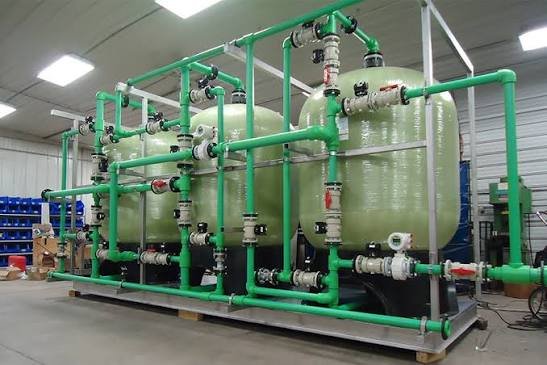
Today, many households explore multi-stage filtration systems designed to address a variety of water concerns through several treatment processes rather than a single step.
The appeal is fairly straightforward.
Different contaminants and impurities often require different treatment methods. By combining multiple stages, these systems can provide a more comprehensive approach to improving water quality.
Of course, the right solution depends entirely on a home’s specific needs. There’s rarely a universal answer.
The Relationship Between Taste and Water Consumption
One interesting aspect of water quality is how closely it’s tied to personal habits.
Keep exploringWhat Your Tap Water Is Telling You: A Simple Guide to Better Water Quality
People are generally more likely to drink water when they enjoy the taste. It sounds obvious, but it’s true.
If water has an unpleasant flavor or odor, many individuals instinctively reach for alternatives. Soft drinks, bottled beverages, flavored waters, and sports drinks often become substitutes.
For that reason, improving drinking water quality isn’t simply about convenience. It can encourage healthier hydration habits throughout the household.
Families often report that they drink more water after addressing taste concerns. Kids fill their bottles more often. Guests are happy to drink from the tap. Morning coffee tastes more consistent.
These may seem like small changes, but they create meaningful everyday benefits.
Looking Beyond the Kitchen Sink
Many homeowners initially focus on improving water used for drinking and cooking. Eventually, however, they begin to see the bigger picture.
Water flows through the entire home. It affects bathrooms, laundry rooms, water heaters, refrigerators, dishwashers, and countless fixtures.
This broader perspective has led many people to think more strategically about water quality.
Rather than treating isolated symptoms, they’re looking at how water influences the overall performance and comfort of their homes.
That’s where professional guidance can become especially valuable.
Why Water Treatment Isn’t One-Size-Fits-All
The phrase water treatment covers a surprisingly wide range of solutions.
Some homeowners need help managing mineral-rich water. Others are focused on sediment, taste, odor, or specific contaminants. A household using well water may face different challenges than one connected to a municipal supply.
Because every situation is unique, recommendations should be based on actual water conditions rather than assumptions.
Water testing often provides the clearest path forward. Instead of guessing, homeowners gain real information about what’s present in their water and which treatment options may be most effective.
It’s a simple principle: better information leads to better decisions.
And when it comes to water, informed choices usually save both time and money.
The Hidden Benefits of Improved Water Quality
The benefits of better water aren’t always dramatic.
In fact, many of the most appreciated improvements are surprisingly subtle.
Coffee tastes cleaner. Ice cubes become clearer. Glassware comes out of the dishwasher looking better. Cooking feels more predictable. Household maintenance becomes slightly easier.
None of these things will completely transform a person’s life.
Yet together, they contribute to a more comfortable and enjoyable home environment.
It’s similar to improving lighting in a room. The change may seem small initially, but once you’ve experienced it, going back feels difficult.
Water often works the same way.
Making Smarter Choices for the Long Term
One of the biggest mistakes homeowners make is waiting until a problem becomes impossible to ignore.
By taking a proactive approach—testing water, learning about local conditions, and exploring appropriate treatment options—families can make decisions based on facts rather than frustration.
The goal isn’t to chase perfection.
Instead, it’s about creating a water system that supports your household’s needs today while helping prevent unnecessary issues tomorrow.
That mindset tends to produce the best long-term results.
Final Thoughts
Water is one of the most important resources in any home, yet it’s often one of the least understood. We use it constantly without thinking about where it comes from, how it’s treated, or how it affects daily life.
As more homeowners become aware of the connection between water quality and household comfort, interest in modern filtration and treatment solutions continues to grow.
Whether you’re focused on taste, convenience, appliance performance, or overall peace of mind, understanding your water is a worthwhile investment.
After all, when something plays such a central role in everyday life, it deserves a little attention. And sometimes, the simplest improvements can make the biggest difference.