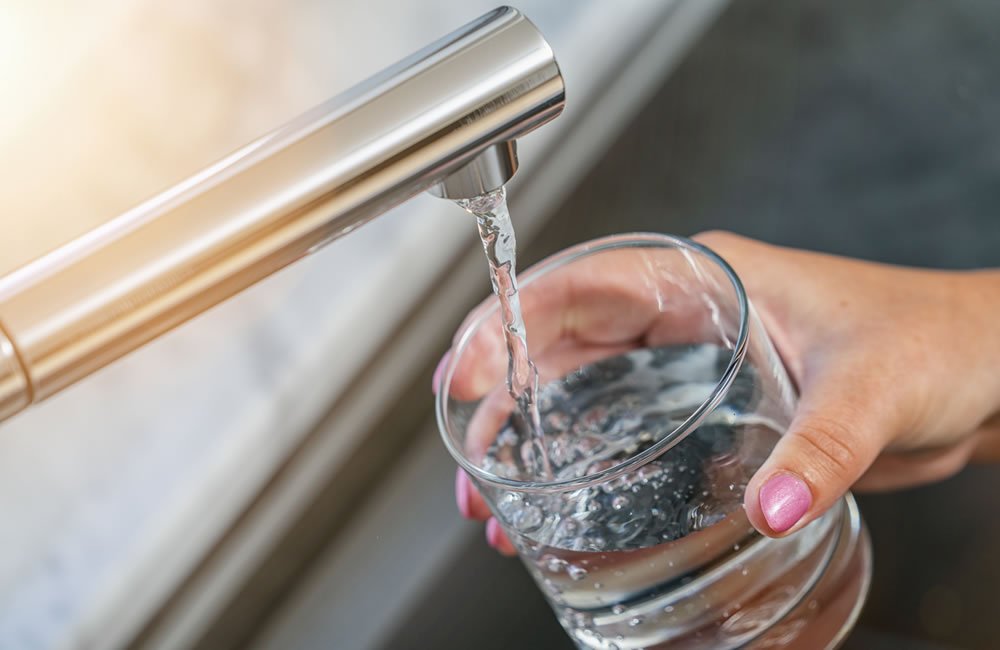
There’s something comforting about turning on the kitchen faucet and filling a glass of water without giving it a second thought. Most of us assume that if water looks clear, it must be clean. But that’s not always how it works. Water can carry minerals, naturally occurring metals, and other impurities that are completely invisible to the eye. Sometimes you notice a metallic taste or rusty stains around sinks. Other times, the signs are subtle enough that you only realize there’s an issue after living with it for years.
The good news is that modern water treatment has come a long way. Whether your home relies on municipal water or a private well, understanding what’s actually in your water is the first step toward making it healthier, better tasting, and kinder to your plumbing and appliances.
The Hidden Story Behind Clear Water
Water travels a surprisingly long journey before reaching your home. Along the way, it passes through soil, rock formations, aging pipelines, and storage systems. Each stage has the potential to introduce minerals or contaminants that change its quality.
Keep exploringChoosing the Right Water System for a More Comfortable Home
Not every impurity is dangerous, but even naturally occurring substances can affect taste, smell, and household maintenance. Iron, for example, often leaves orange stains on sinks and laundry. Lead, on the other hand, deserves much closer attention because of the health concerns associated with long-term exposure.
The tricky part is that these issues don’t always announce themselves. Water can appear crystal clear while still containing substances you wouldn’t knowingly drink.
Why Water Testing Matters More Than Guessing
A lot of homeowners try to diagnose water problems by taste or appearance alone. Unfortunately, that’s a bit like judging a book by its cover.
Keep exploringBuilding Better Water Solutions: How Smart Choices Improve Everyday Water Experiences
Professional water testing provides a much clearer picture. It identifies hardness levels, mineral content, pH balance, bacteria, and potential contaminants that can’t be seen or smelled. Once you know exactly what’s present, choosing the right treatment becomes much easier.
Without testing, people sometimes invest in systems that don’t actually solve their specific problem. Every home’s water is different, and what works perfectly for one household may not be ideal for another.
Protecting Your Family Through Better Filtration
One of the biggest reasons homeowners upgrade their water systems is peace of mind. Families simply want confidence that the water they drink every day is safe.
Keep exploringWhy the Right Water Solution Makes a Bigger Difference Than Most Homeowners Expect
Modern filtration systems are designed to target specific contaminants rather than applying a one-size-fits-all solution. Specialized treatment options for lead and iron removal help reduce two common concerns that affect many residential water supplies. By addressing these issues directly, homeowners often notice cleaner fixtures, fewer stains, and greater confidence in the water coming from every faucet.
It’s not just about safety, either. Better filtration usually improves the overall experience of using water throughout the home.
Understanding the Role of Minerals
Minerals aren’t automatically bad. In fact, many naturally occurring minerals are completely harmless. Problems begin when certain elements appear in higher concentrations than recommended.
Iron can discolor clothing and plumbing fixtures. Manganese may create dark stains. Calcium and magnesium contribute to hard water, leading to scale buildup inside pipes and water heaters.
Keep exploringWhat Your Tap Water Is Telling You: A Simple Guide to Better Water Quality
Then there are dissolved metals , which may enter water supplies through natural geological sources or aging plumbing infrastructure. While some exist in very small amounts, others may require treatment depending on local water conditions and testing results.
Knowing which minerals are present helps homeowners choose solutions based on facts instead of assumptions.
How Water Quality Affects Everyday Life
It’s easy to underestimate just how much water influences daily routines until improvements are made.
People often notice that soap lathers more easily after certain treatment systems are installed. Glassware comes out of the dishwasher with fewer spots. Coffee and tea develop cleaner flavors. Even showers can feel different because treated water tends to interact better with soaps and shampoos.
Keep exploringWhy Better Water Starts with Better Choices at Home
Appliances benefit as well. Water heaters, washing machines, dishwashers, and ice makers generally perform more efficiently when mineral buildup is reduced. Over time, that can mean fewer maintenance issues and longer equipment life.
These little improvements add up, quietly making everyday living just a bit more enjoyable.
Choosing the Right Treatment System
Shopping for a water treatment system can feel overwhelming because there are so many options available.
Some homes need activated carbon filtration to reduce chlorine and improve taste. Others benefit from reverse osmosis systems for drinking water. Homes with hard water often require water softeners, while well water users may need specialized iron filters or sediment removal.
The key is matching the equipment to the actual water conditions rather than buying the most expensive system available.
A qualified water professional can review test results, explain available options, and recommend equipment that addresses your home’s unique needs without unnecessary extras.
Better Water Is About More Than Taste
Taste is often the first thing people notice after upgrading their water system, but the benefits usually extend much further.
Cooking becomes more enjoyable because ingredients aren’t competing with unwanted mineral flavors. Ice cubes appear clearer. Beverages like coffee, tea, and lemonade often have a cleaner finish.
Many homeowners describe the difference simply as fresh tasting water that encourages everyone in the family to drink more throughout the day. It isn’t just a luxury—it becomes part of a healthier daily routine.
When water tastes better, people naturally reach for it more often instead of sugary drinks or bottled alternatives.
A Long-Term Investment That Pays Off
Installing a quality water treatment system isn’t only about solving today’s problems. It’s also about protecting your home’s plumbing and reducing future maintenance costs.
Mineral buildup inside pipes can gradually reduce water flow. Scale inside appliances forces them to work harder, consuming more energy over time. Addressing water quality early often helps prevent these issues before they become expensive repairs.
Many homeowners also appreciate reducing their dependence on bottled water. Besides lowering ongoing costs, it cuts down on plastic waste and makes staying hydrated much more convenient.
Final Thoughts
Clean water is something we rely on every single day, yet it’s easy to overlook until problems appear. Whether you’re dealing with unusual tastes, staining, hard water, or simply want greater confidence in your home’s water supply, understanding what’s flowing from your tap is the smartest place to begin.
A professional water analysis removes the guesswork and helps identify solutions tailored to your home’s specific needs. From improving taste and protecting plumbing to reducing unwanted contaminants, the right treatment system offers benefits that extend well beyond a single glass of water.
In the end, better water isn’t just about what’s removed—it’s about creating a healthier, more comfortable home where every faucet delivers water you can trust.