There’s something quietly fascinating happening on India’s roads right now. Not loud, not flashy—but deeply transformative. Electric vehicles are no longer just a buzzword tossed around in policy meetings or startup pitches. They’re here, slowly blending into everyday life. But if you zoom out a bit, one question keeps popping up in industry circles, chai pe charcha, and even among curious buyers—how will these vehicles actually stay powered in a country as complex as India?
The Two Roads to Power
At the heart of the debate are two distinct approaches: battery swapping and fast charging. Both promise convenience, both aim to reduce downtime, and both—interestingly—seem perfectly suited to India in their own ways.
Battery swapping feels almost… nostalgic. Like exchanging a used LPG cylinder for a new one. You drive into a station, swap your depleted battery for a fully charged one, and you’re back on the road in minutes. No waiting. No planning. It’s quick, almost frictionless. Startups and companies like SUN Mobility have been betting heavily on this model, especially for two-wheelers and commercial fleets.
Keep exploringRethinking the Drive: Why Urban India Is Quietly Moving from Car Ownership to Subscription Models
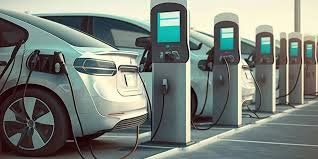
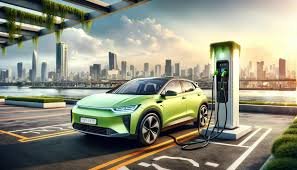
Fast charging, on the other hand, leans into infrastructure. Plug in your vehicle, wait anywhere from 20 minutes to an hour (depending on tech and battery size), and you’re good to go. Companies like Tata Power and ChargeZone are building networks across highways and cities, trying to make charging as accessible as fuel stations.
Why Swapping Feels So “Indian”
Let’s be honest—India thrives on jugaad and efficiency. Battery swapping fits right into that mindset. For delivery riders, auto drivers, and fleet operators, time is literally money. Waiting 40 minutes to charge isn’t just inconvenient—it’s costly.
This is where swapping shines. It eliminates idle time. No charging anxiety. No need for personal charging infrastructure. Especially in dense urban areas like Delhi or Mumbai, where space is a luxury, swapping stations can be game-changers.
Keep exploringThrough the Glass: How Smart Windshields Are Quietly Changing the Way We Drive
There’s also another subtle advantage—battery ownership. In many swapping models, users don’t actually own the battery, which significantly reduces the upfront cost of EVs. That alone can make electric mobility more accessible to a wider audience.
The Fast Charging Push
Still, fast charging isn’t lagging behind—it’s just playing a different game. For private car owners, long-distance travelers, and premium EV users, fast charging offers familiarity. You plug in, wait a bit, maybe grab a coffee, and move on.
India’s highways are slowly adapting. Charging stations are popping up in intervals, often at restaurants, malls, or petrol pumps. The government’s push under schemes like FAME II has also accelerated infrastructure development.
And technology is evolving fast—pun intended. Newer EVs support ultra-fast charging, reducing wait times significantly. It’s not quite “refuel in 5 minutes” yet, but it’s getting closer.
The Big Question of Scale
Now here’s where things get tricky. Standardization.
Battery swapping only works smoothly if batteries are standardized across vehicles. Imagine going to a swapping station and realizing your battery doesn’t fit. That’s the challenge. Different manufacturers, different designs—it’s a bit of a mess right now.
Fast charging avoids this issue to some extent. Charging connectors are becoming more standardized globally, and India is gradually aligning with these norms.
Still, the keyword question remains: EV battery swapping vs fast charging: India me future kaunsa model dominate karega?
Truth is, it’s probably not going to be a winner-takes-all situation.
A Split Future, Not a Single Winner
If you look closely, a pattern starts to emerge. Swapping is gaining traction in commercial segments—two-wheelers, three-wheelers, logistics fleets. These are high-usage, time-sensitive applications where efficiency matters more than anything else.
Fast charging, meanwhile, is carving its space in private ownership—cars, premium EVs, highway travel. It’s about convenience, reliability, and long-term ecosystem development.
So instead of competing, both models might end up co-existing. Complementing each other rather than replacing.
Infrastructure Will Decide Everything
At the end of the day, adoption doesn’t depend on technology alone—it depends on how easily people can access it.
India’s EV story is still being written. Policies are evolving, startups are experimenting, and consumers are slowly warming up. Whether it’s swapping stations in narrow city lanes or fast chargers on highways, the real battle is about reach and reliability.
And maybe that’s the beauty of it. India rarely follows a single path. It adapts, blends, and builds its own version of things.
Final Thoughts
If you asked me today, I wouldn’t pick a side. Not yet. Because the ground reality is still shifting.
Battery swapping feels practical, fast, and very “India-ready” for certain segments. Fast charging feels stable, scalable, and globally aligned. Both have merit. Both have limitations.
What matters more is how seamlessly they integrate into daily life. Because at the end of the day, people don’t care about the technology—they care about not being stranded in the middle of the road.
And whichever model solves that better… well, that’s the one that’ll quietly win.